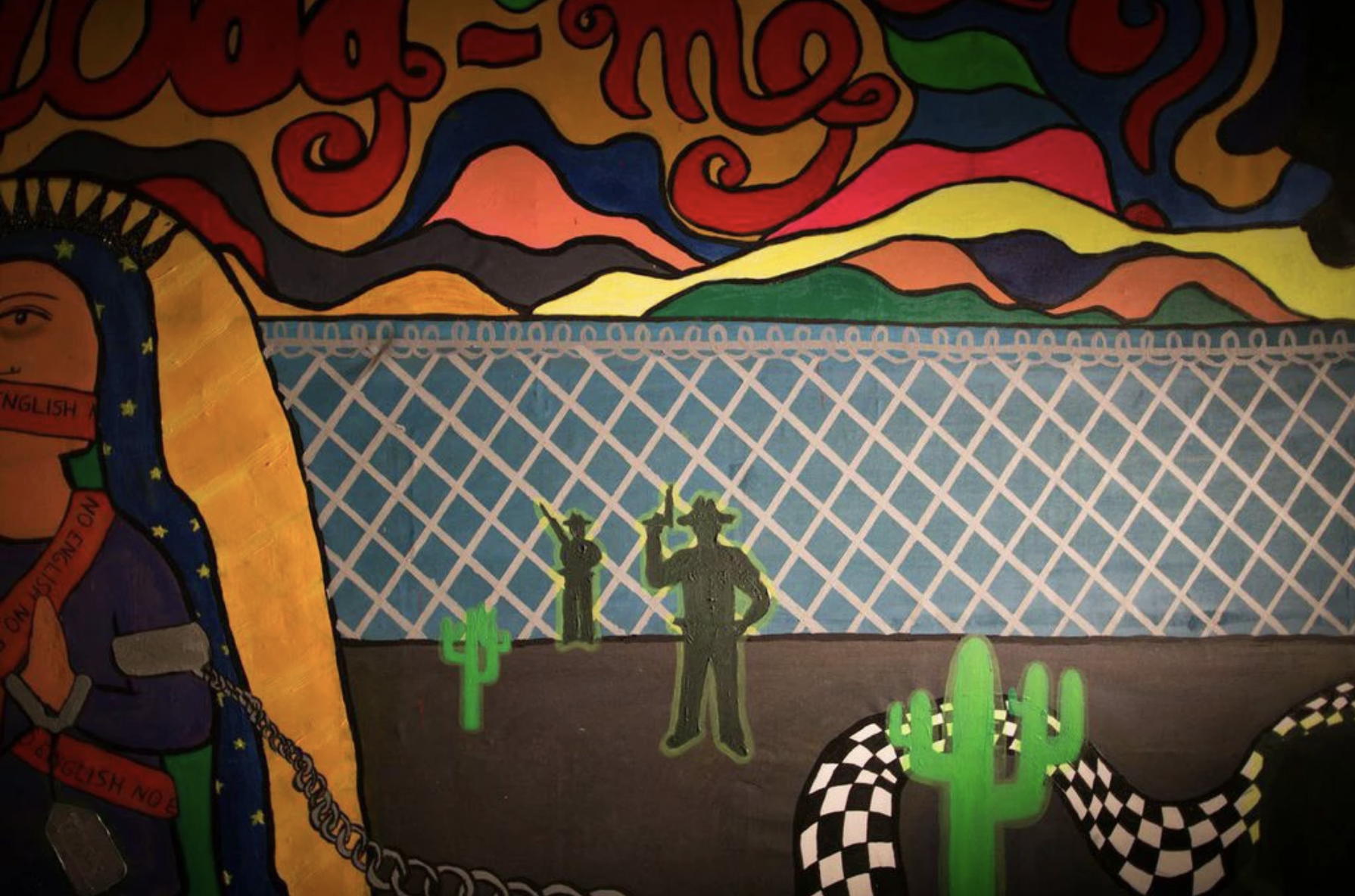
Ayúda-me#
Harvard College Women’s Center, 2014#
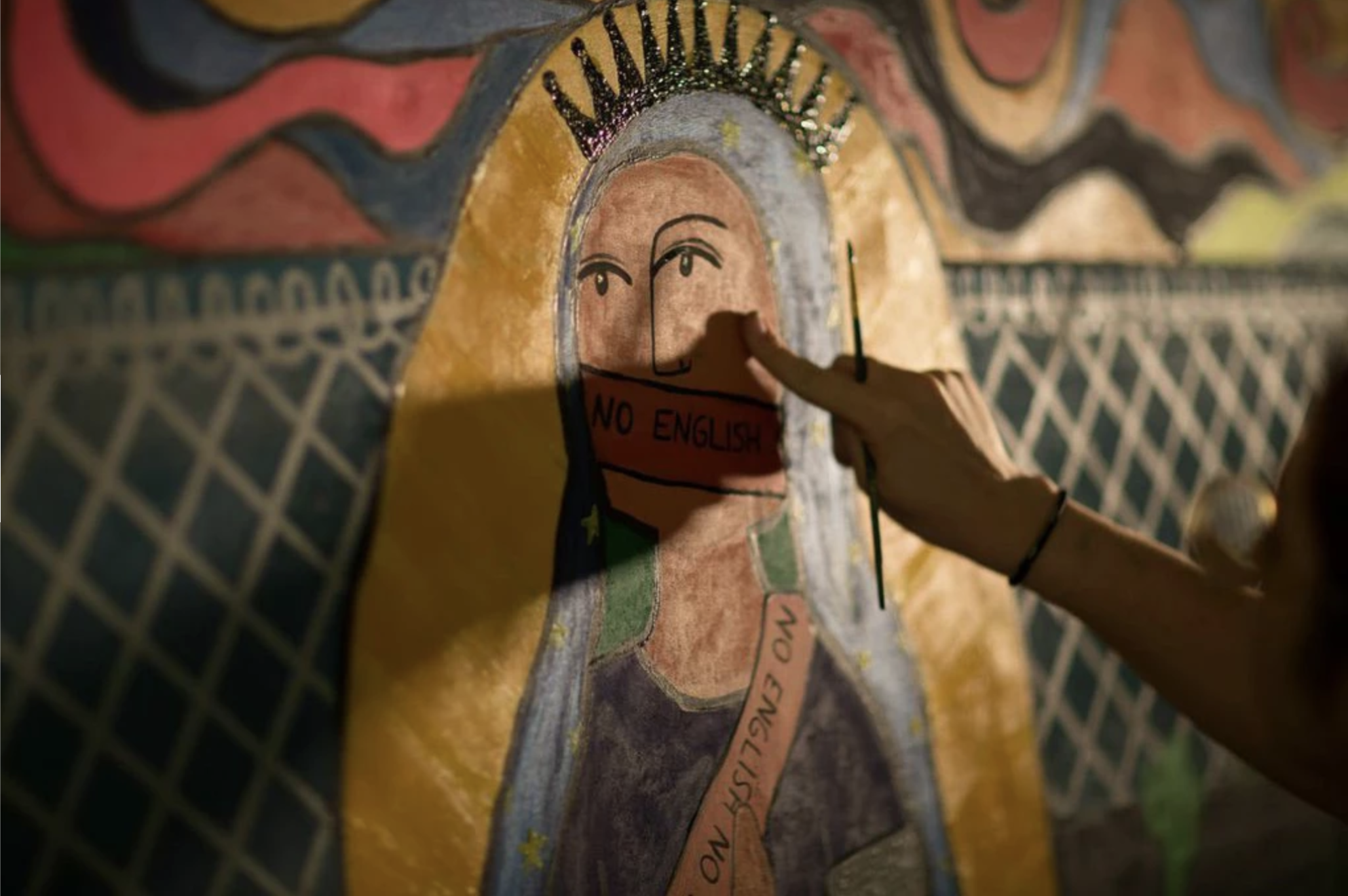
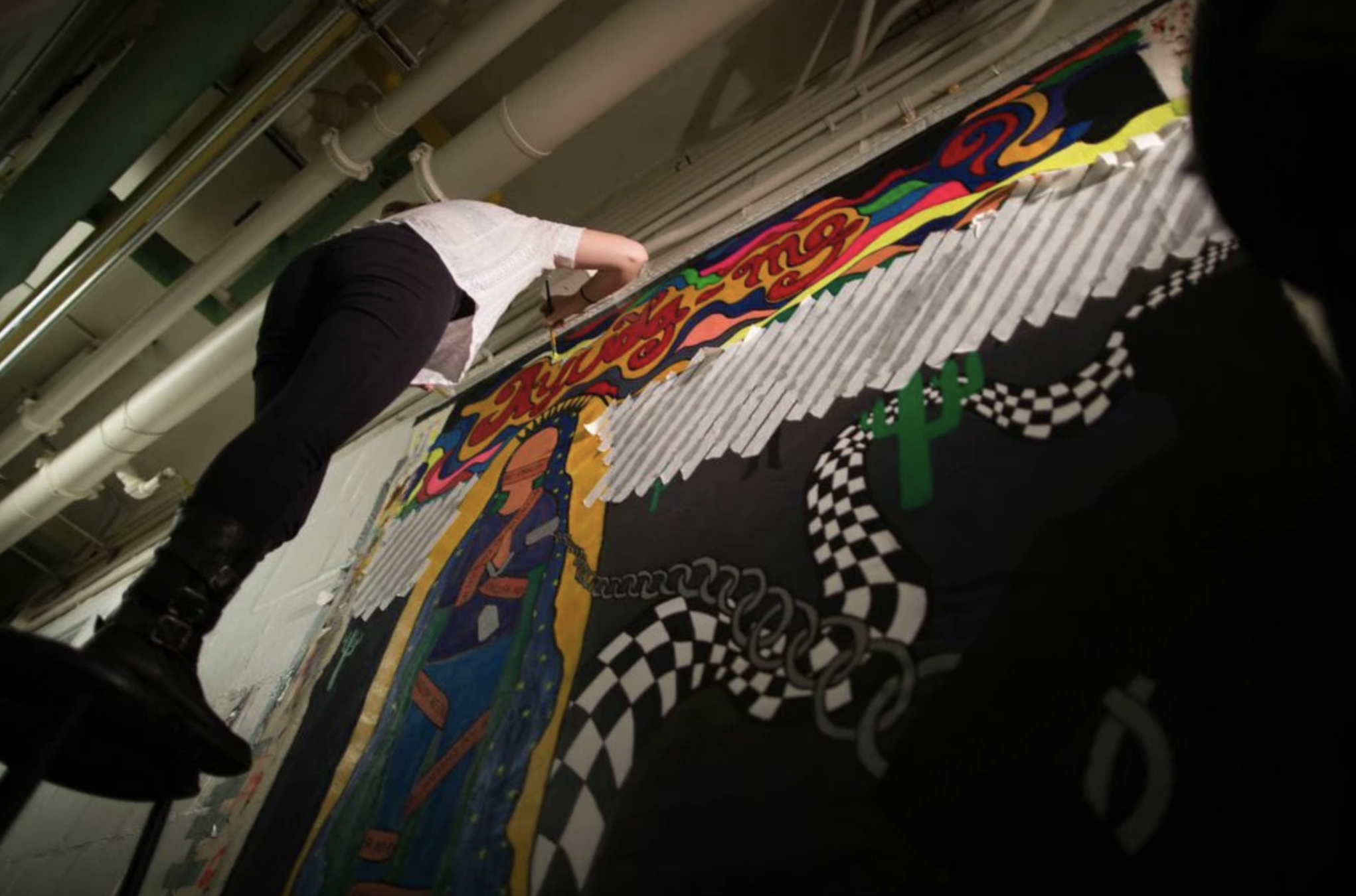
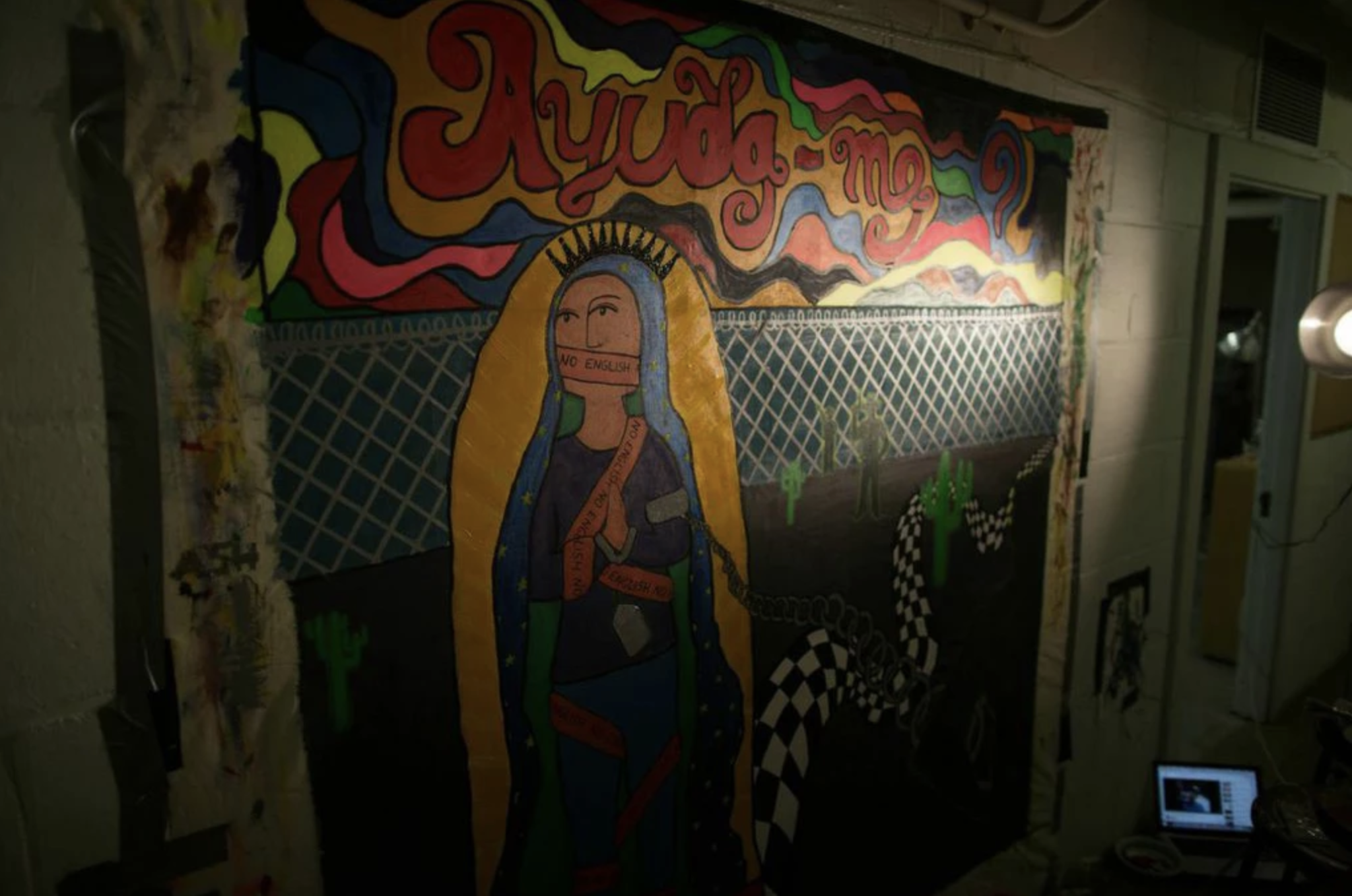
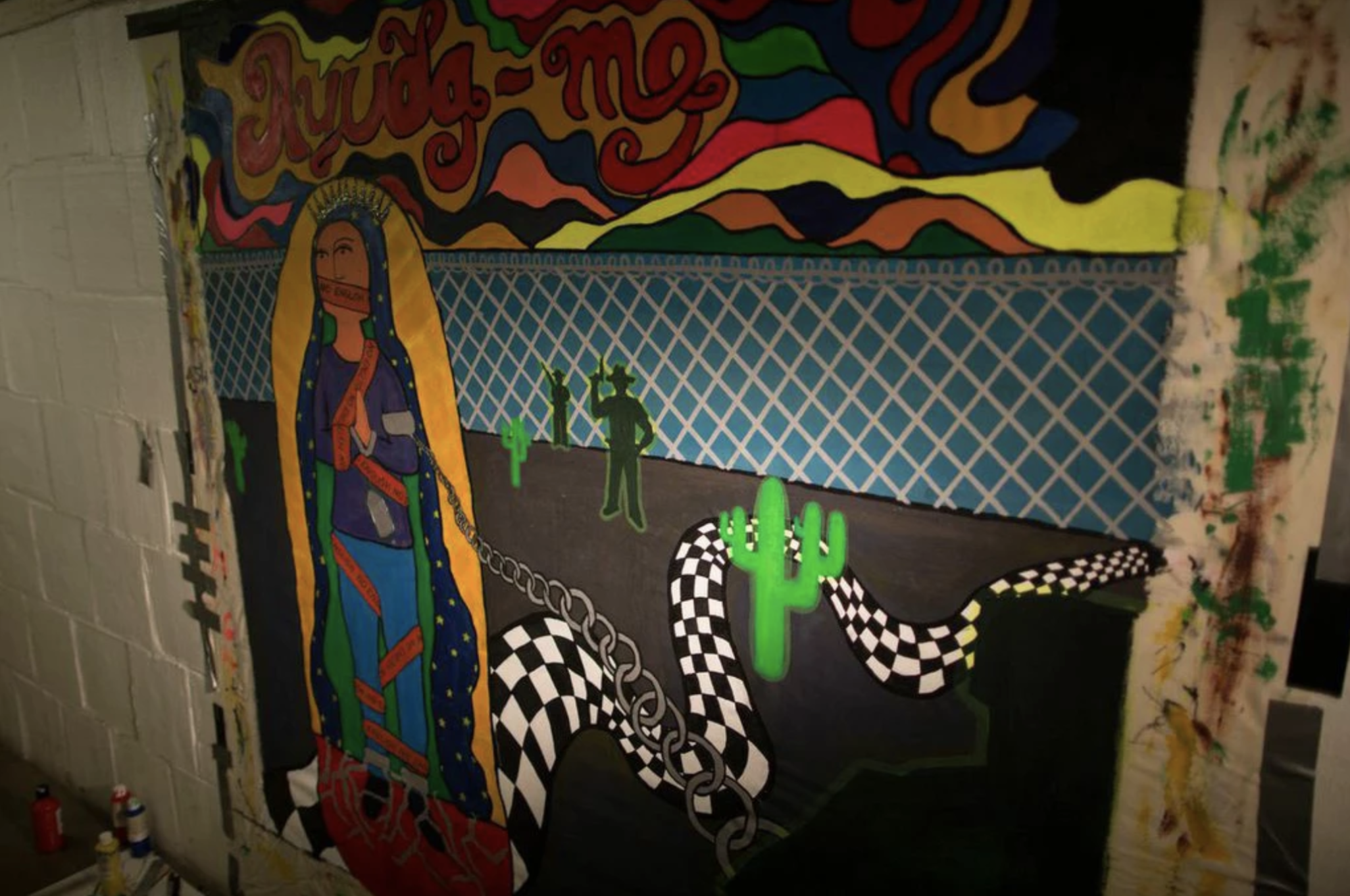
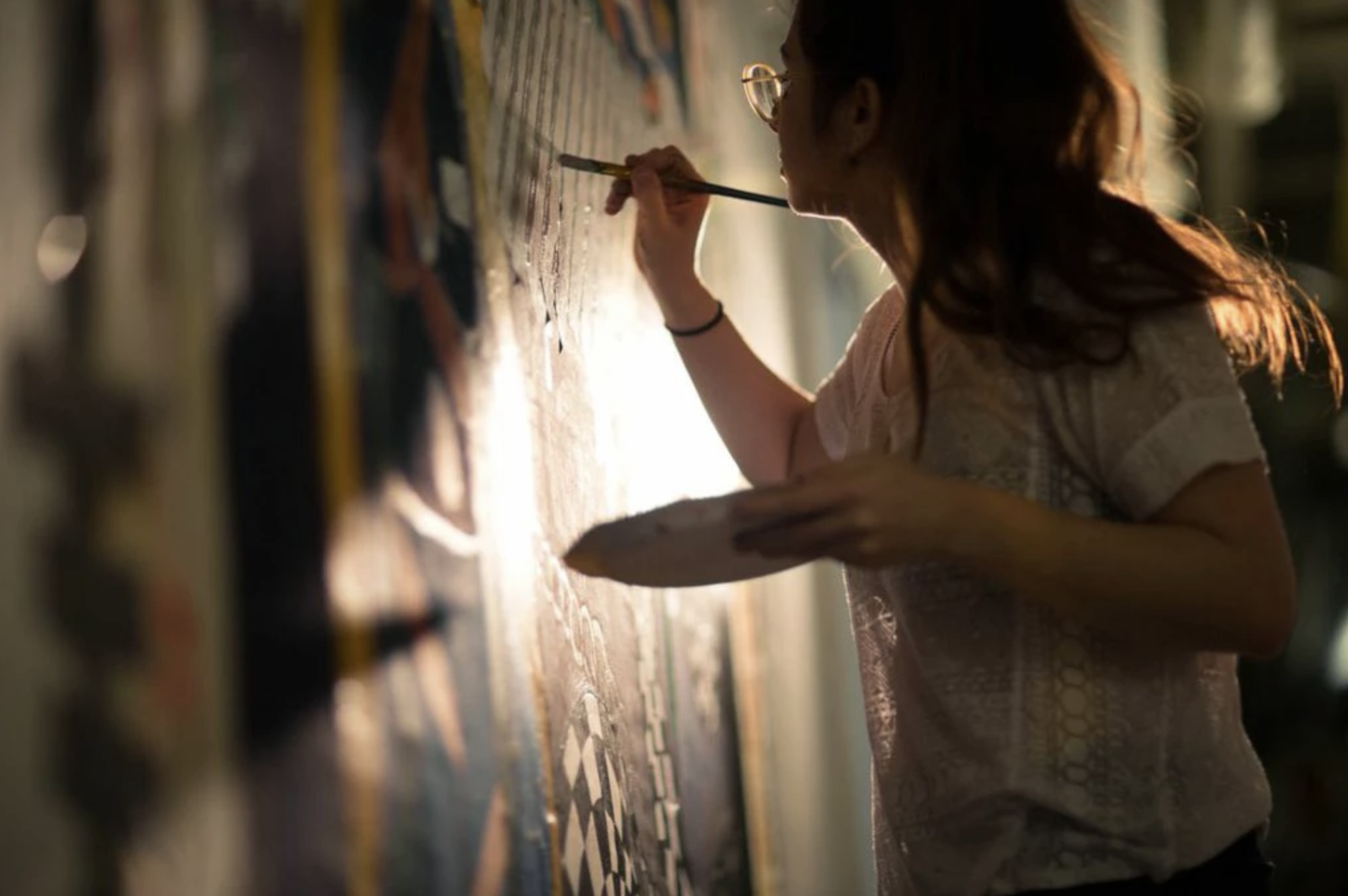
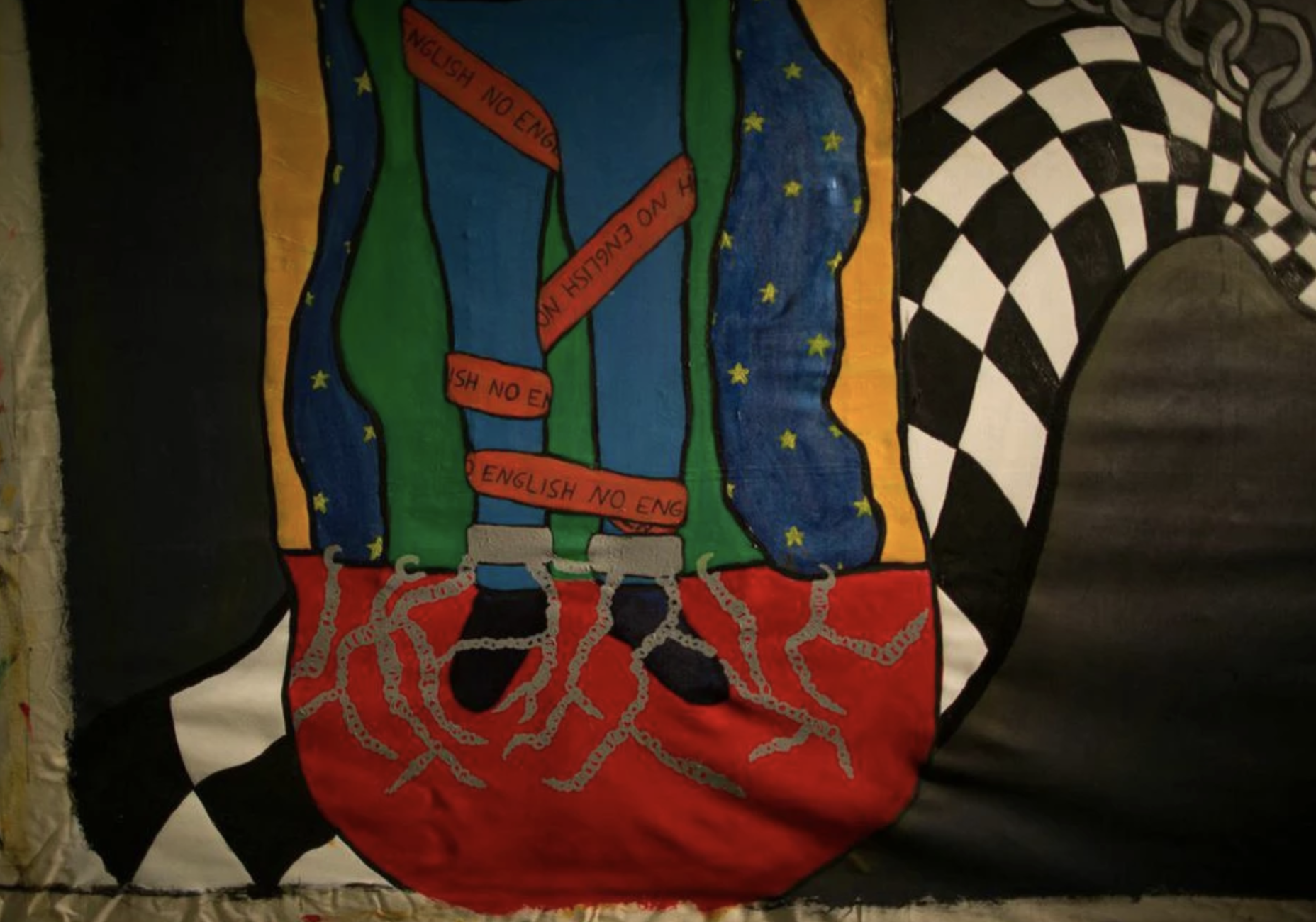
This 7 x 7 ft (2,13 x 2,13 m) mural was painted to honor the experiences of Latina immigrant victims of domestic violence in the U.S. It was conceived, designed and painted on December 2014 in the basement of Lowell House, Harvard University. It was later exhibited in the Conference Room of the Harvard College Women’s Center. The mural depicts the obstacles that women face when seeking help, which include cultural, structural, situational, and institutional barriers. Latina immigrant victims find themselves in an especially precarious position because of intersecting axes of power that frame their experiences: gender, race, ethnicity, national origin, immigration status and class, among others.
An intersectional approach to the reproductive justice issue of domestic abuse and violence is necessary for effective prevention, intervention and advocacy programs. Understanding the multiplicative effects of different social standings and the precarious place that Latina immigrants populate when facing Intimate Partner Violence (IPV) needs an approach that considers all levels of barriers: from the micro to the macro, from personal convictions to institutional policies.
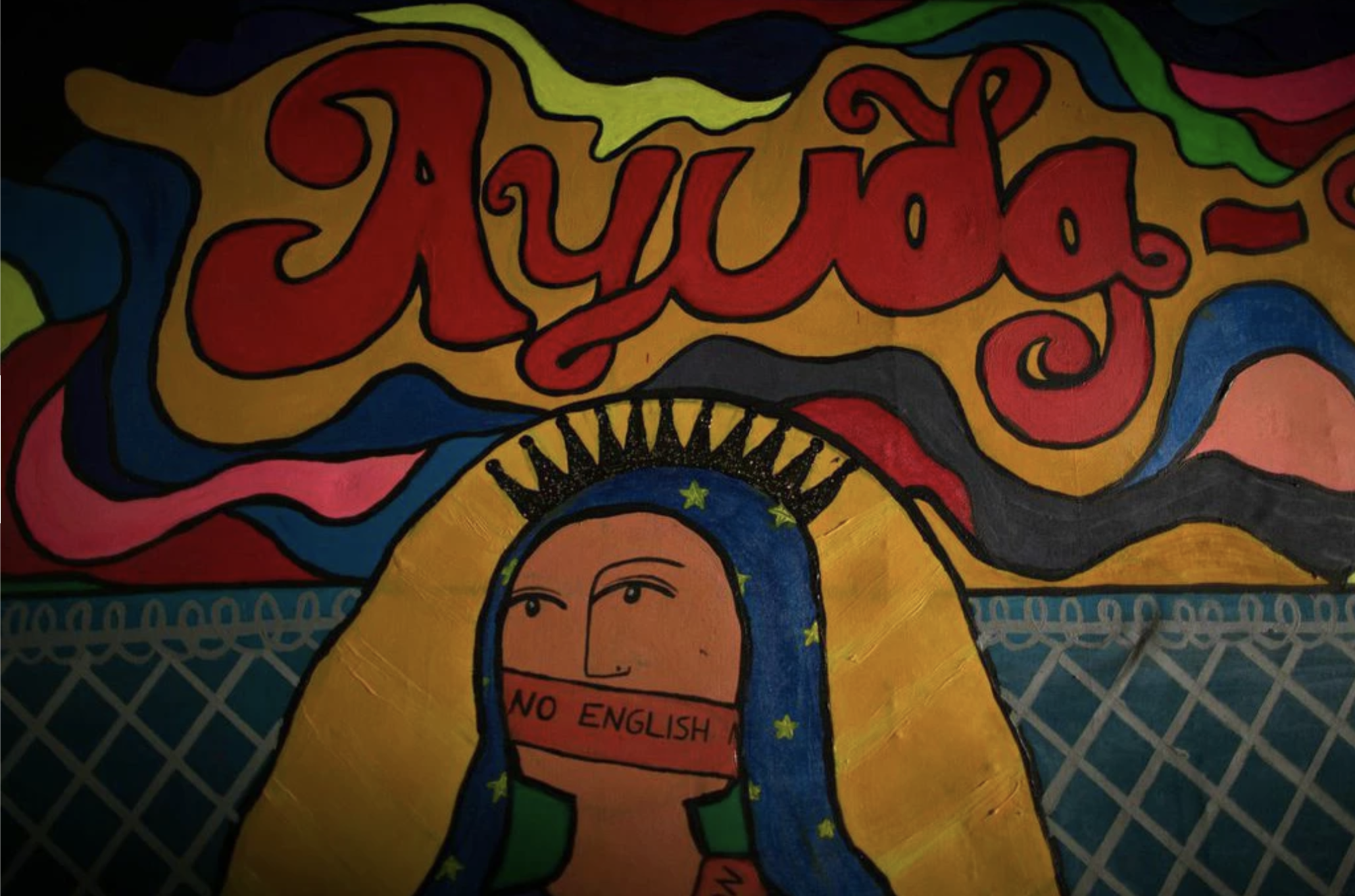
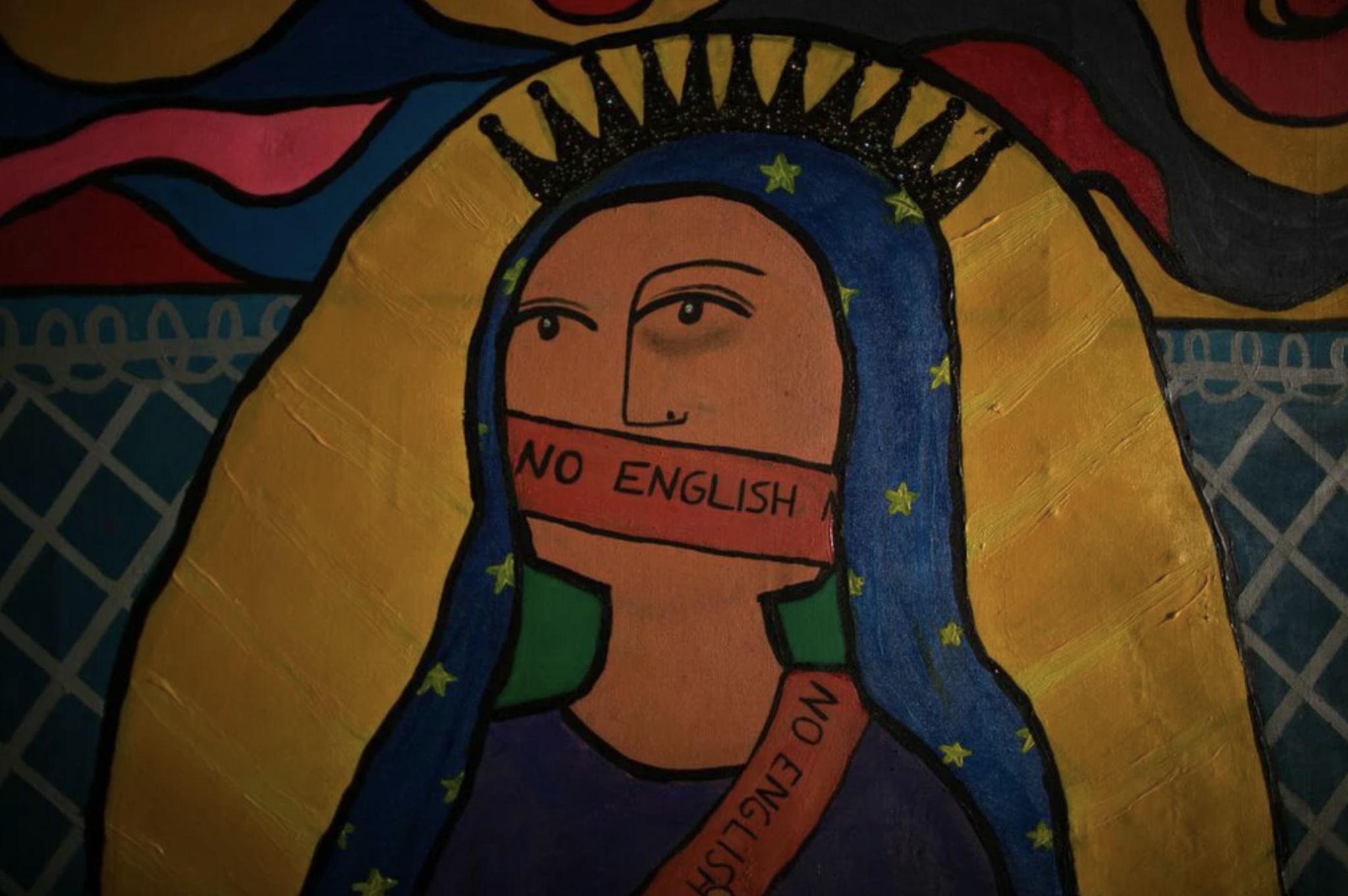
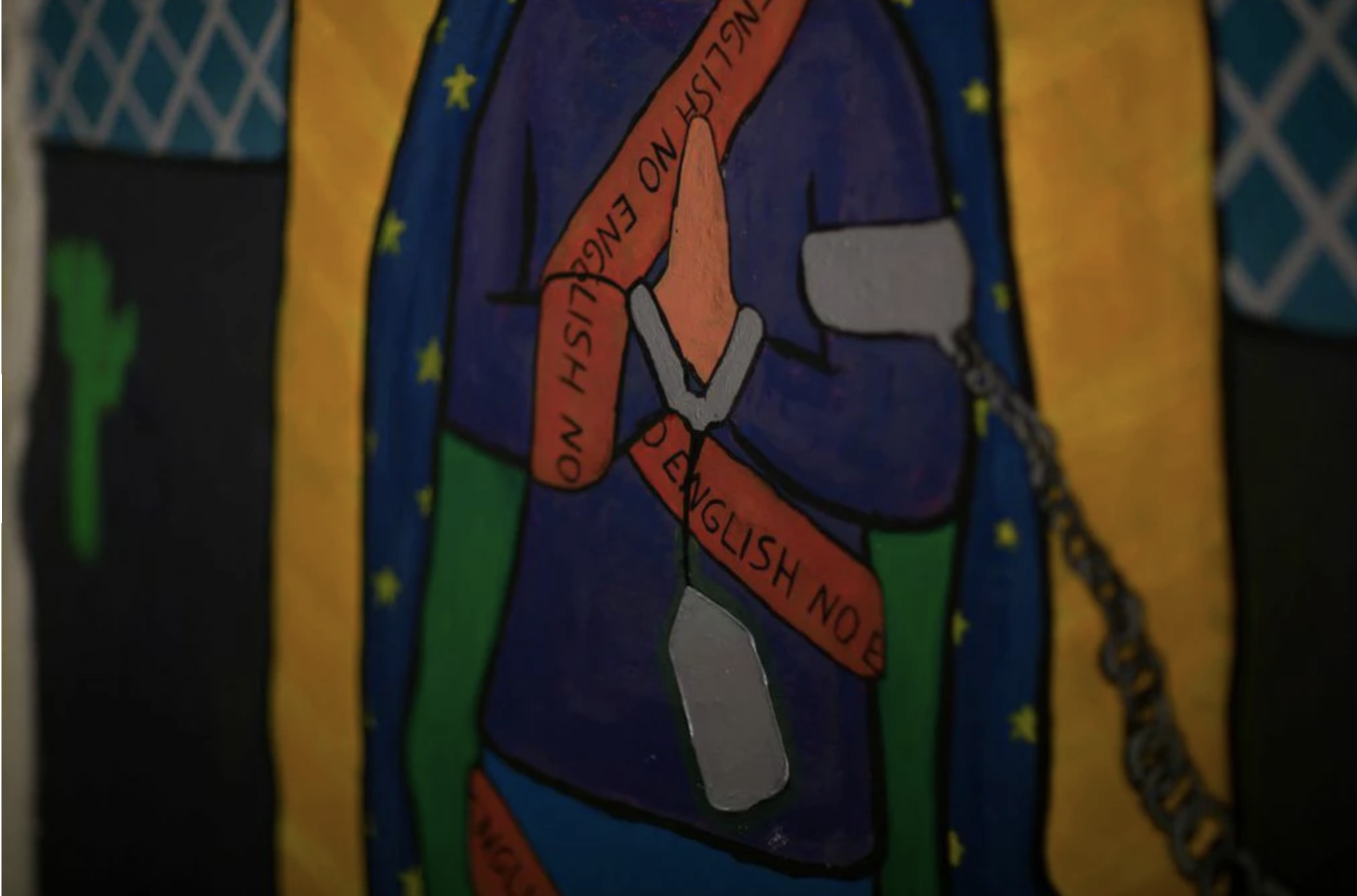
Starring In#
Harvard Sustainability Office, 2017#
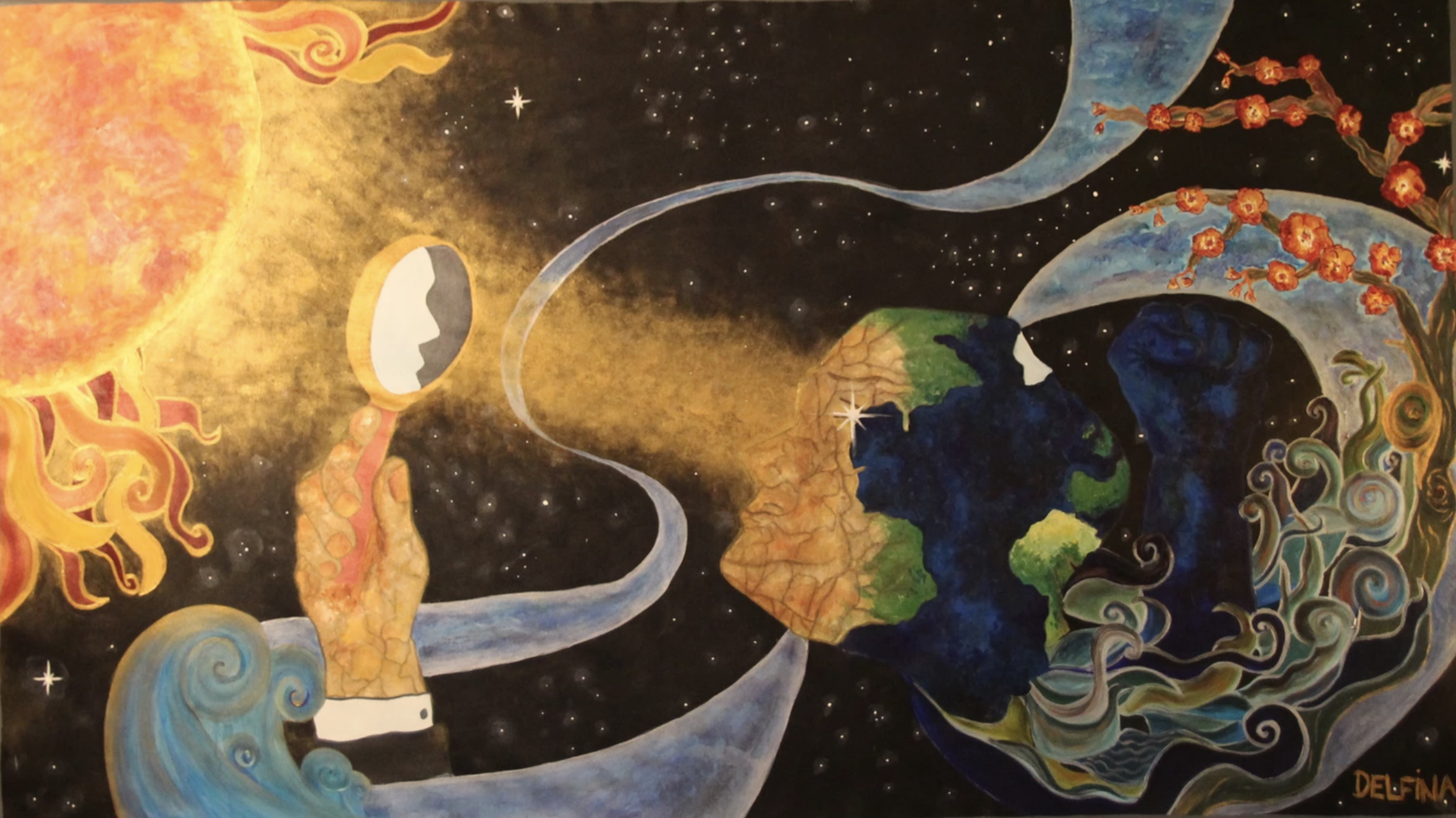
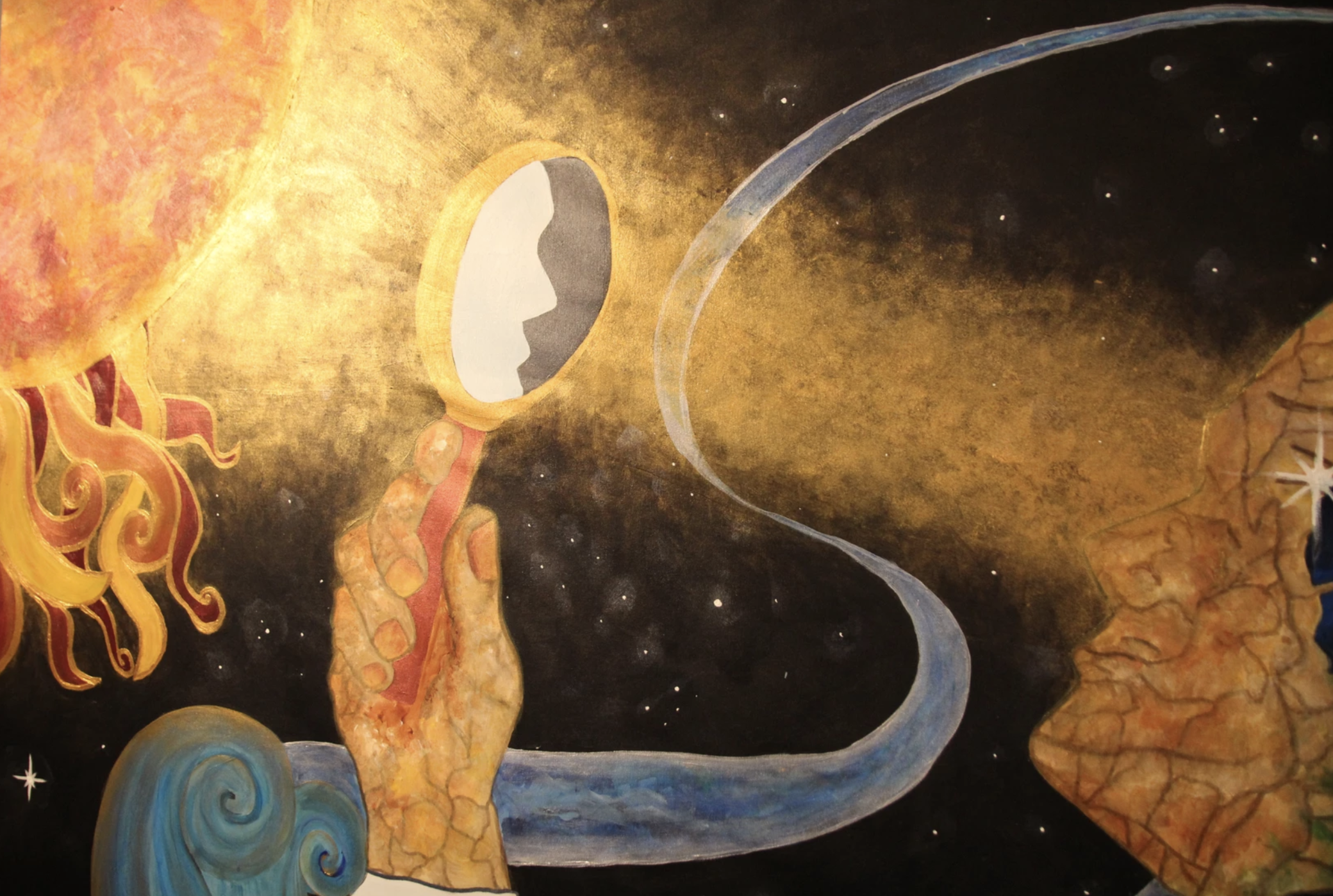
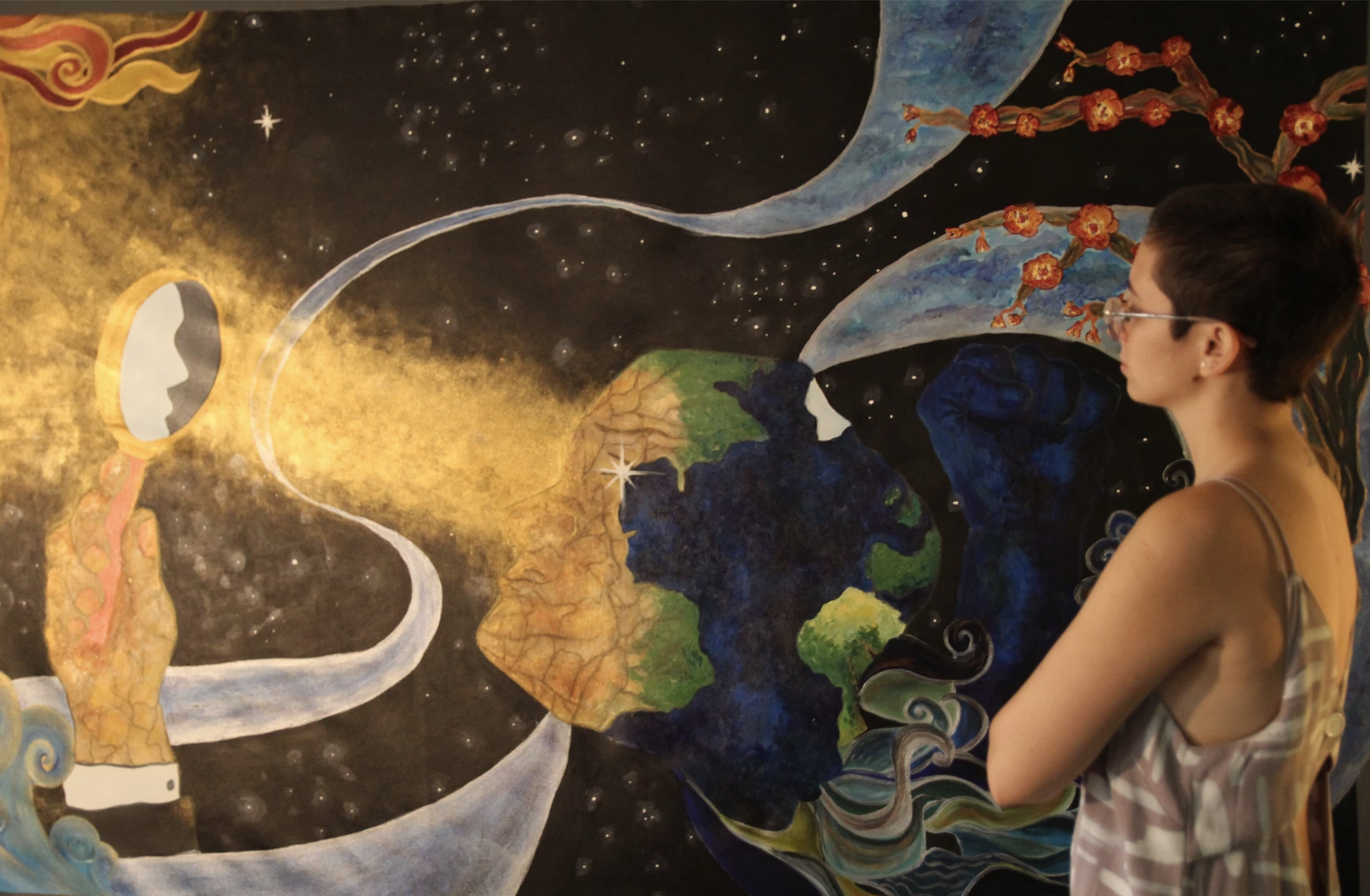
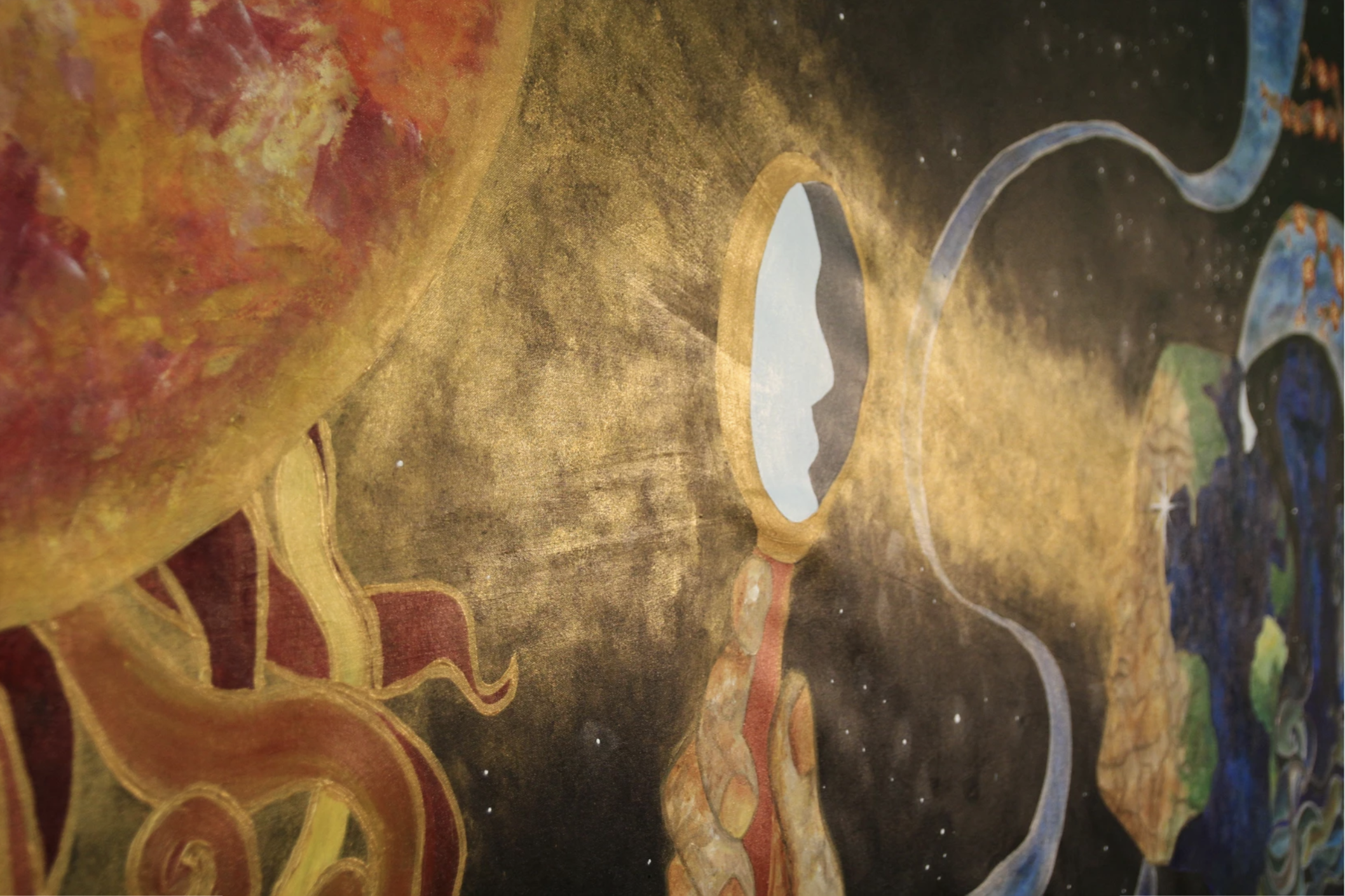
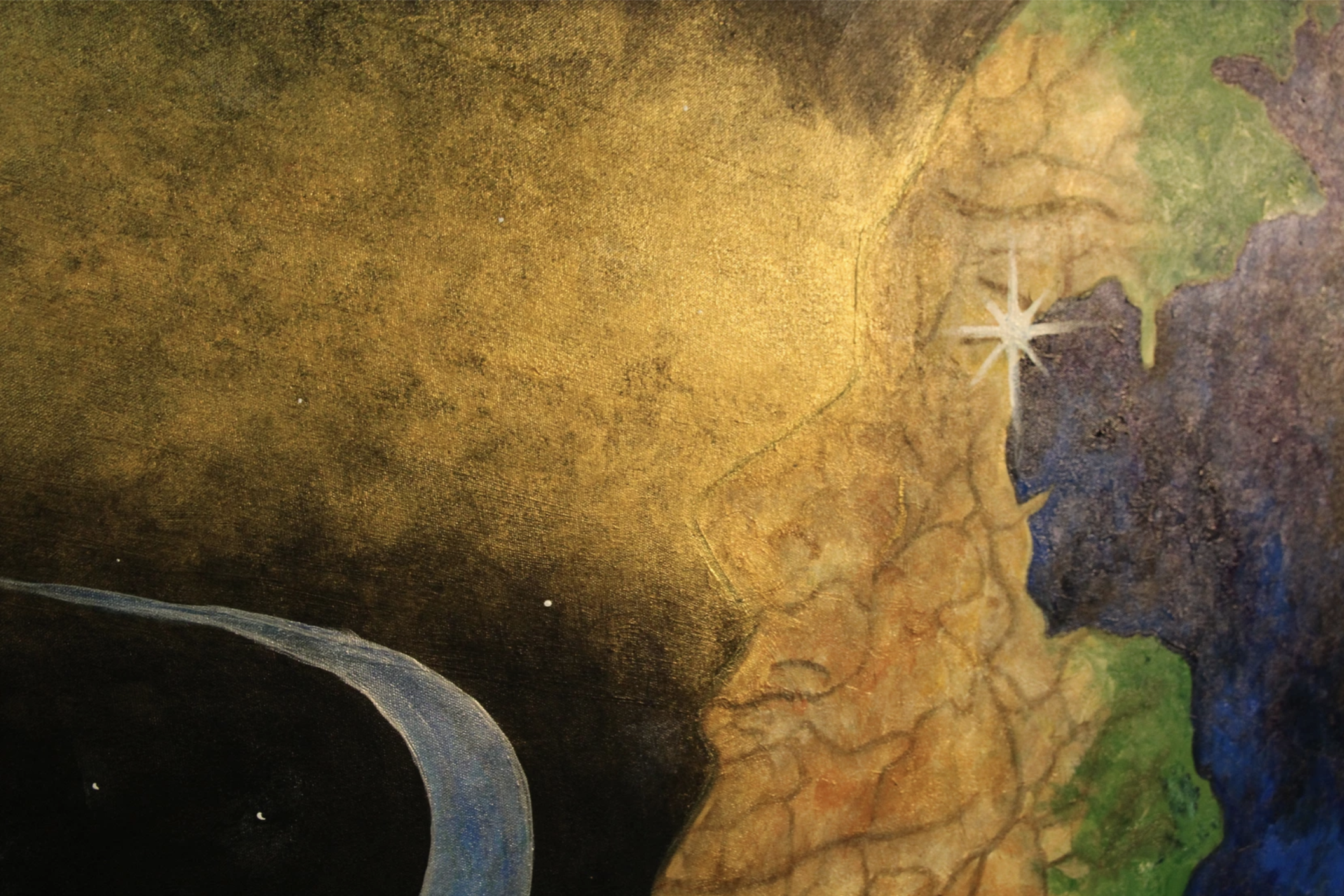
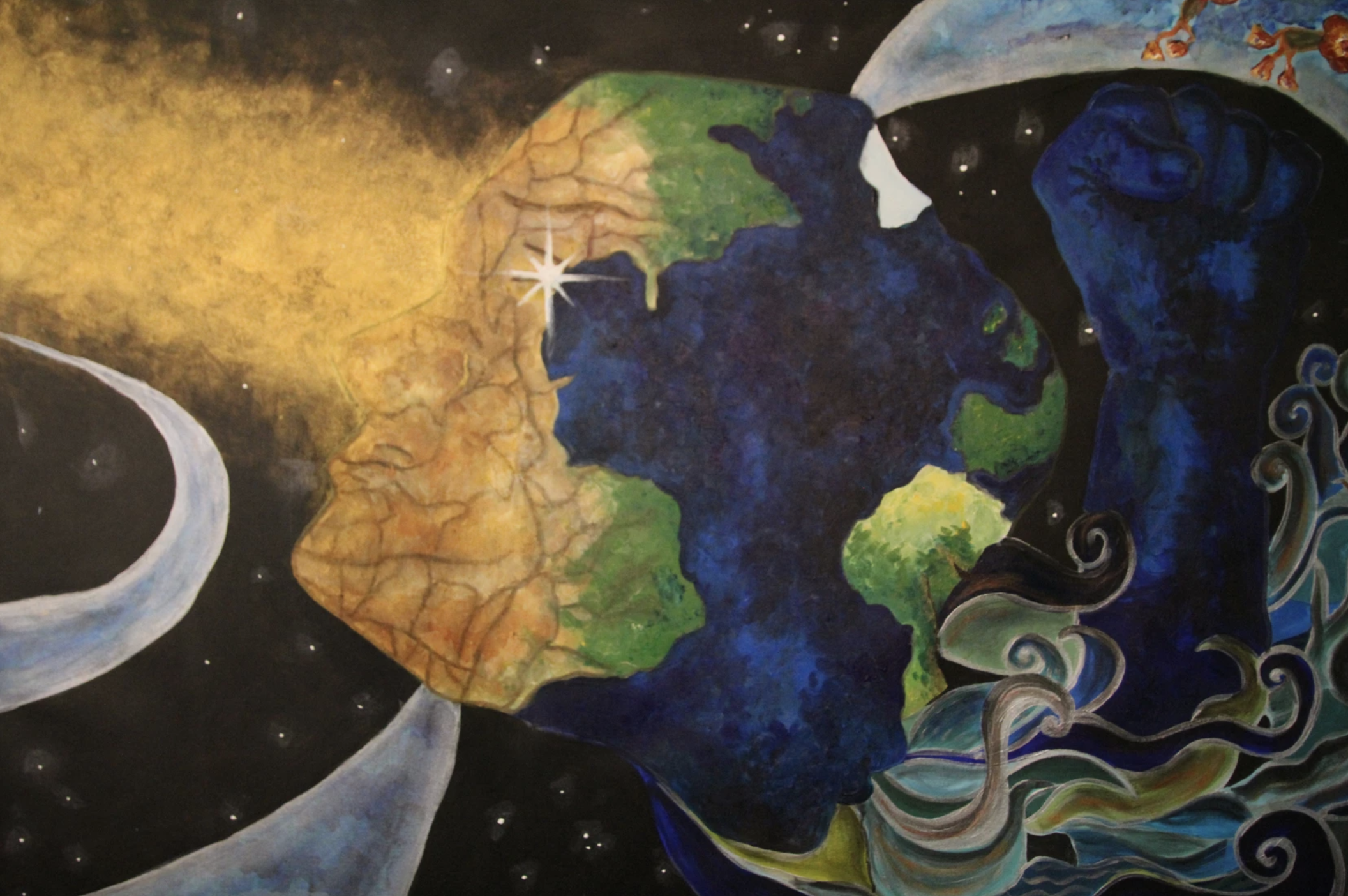
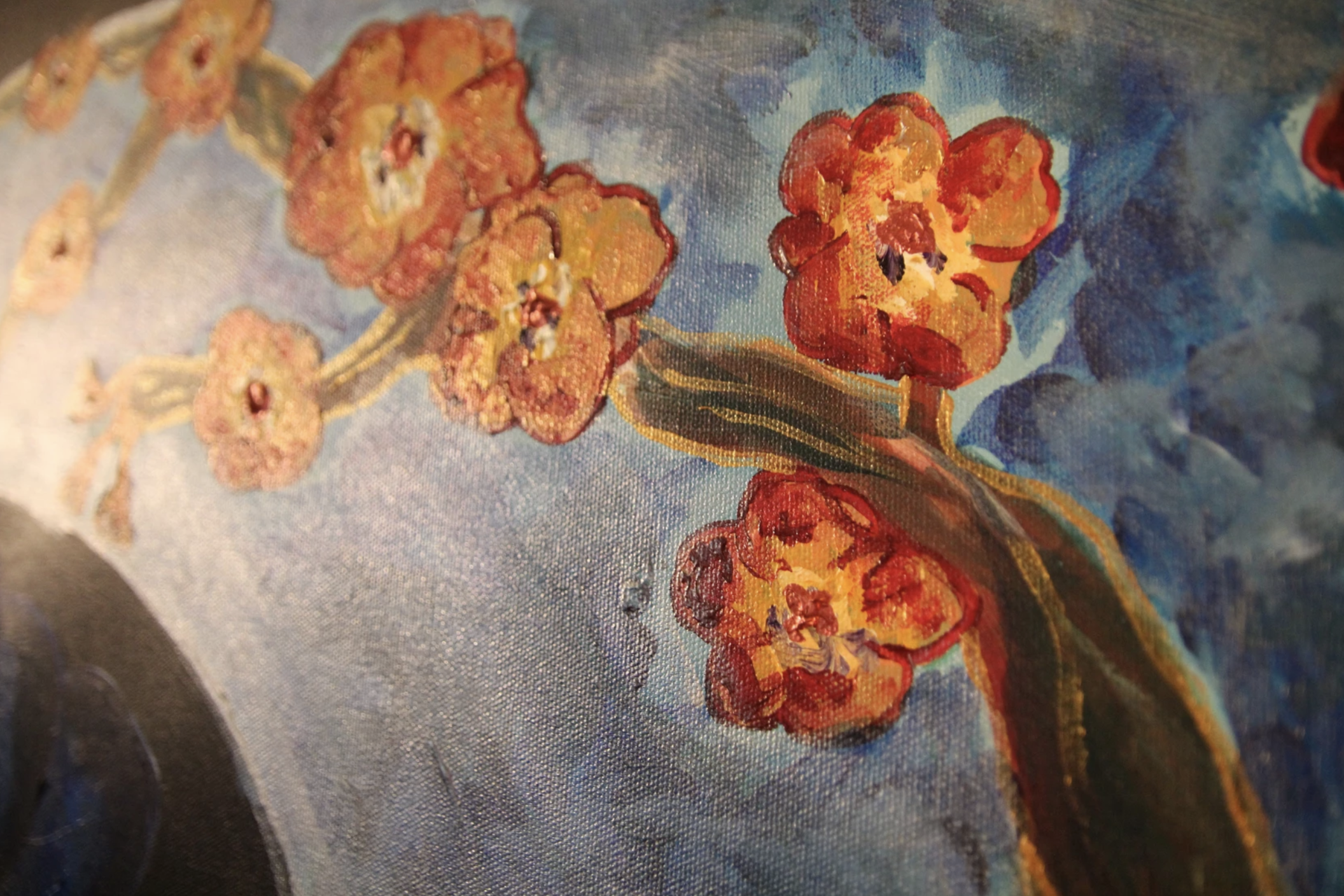
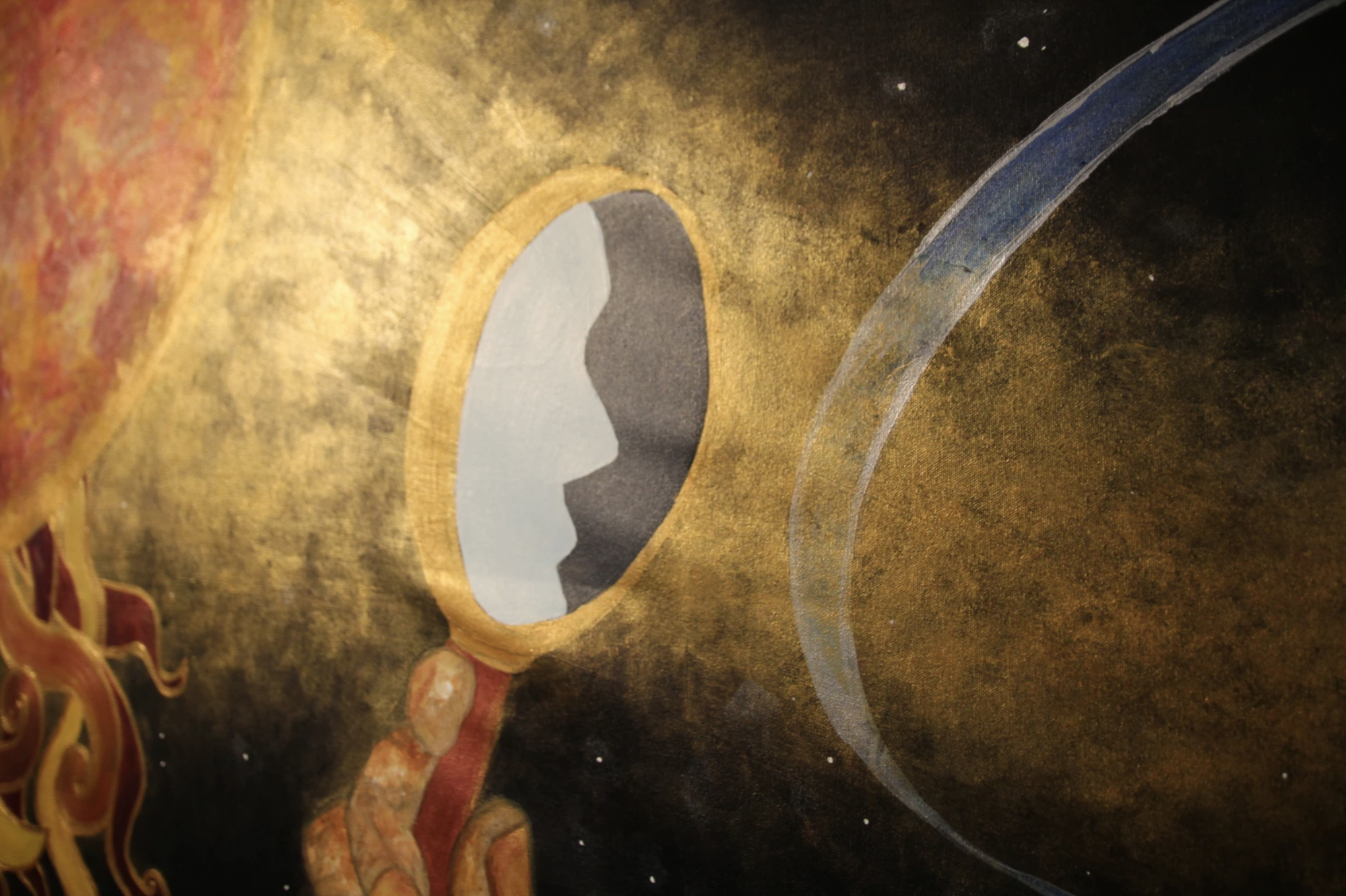
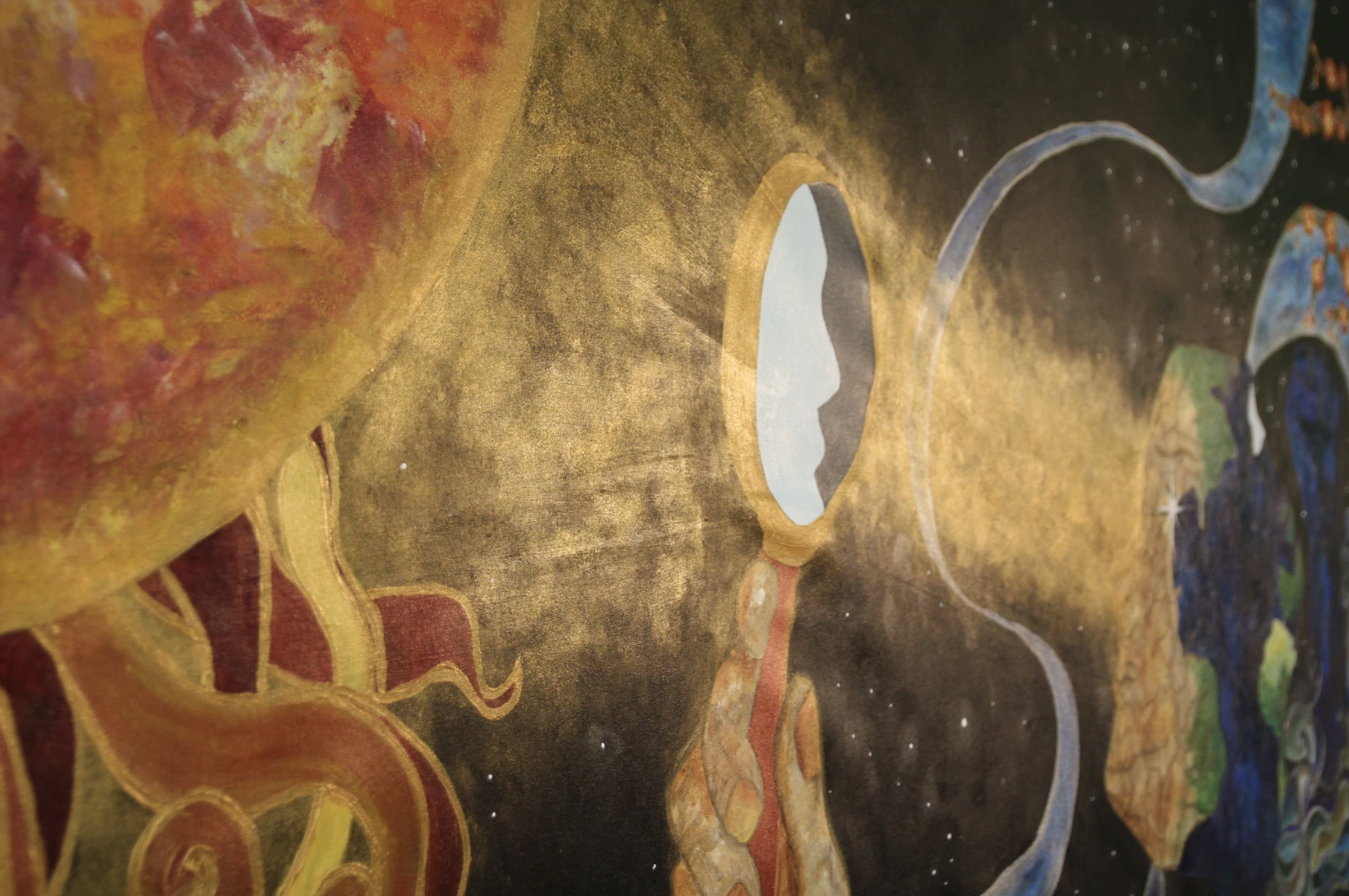
This 9 x 6 ft (2,75 x 1,82 m) mural was painted for the Harvard Sustainability Office as a reminder ti its employees of the connection between elite institutions, capitalism, narcissism and climate change. The following text accompanies the piece:
In working to save our planet, some argue we should learn from ants. Ants have a perfect society, they say, as they all work—and do their small part to their 100%.
It is unfortunate that when human youngsters discover the power of the magnifying glass, some deliberately incinerate those dedicated workers.
It is even more unfortunate that when human grownups discover that power, some carelessly incinerate their own.
In the blindness of our collective narcissism, we are roasting ourselves. Too intoxicated with our own reflection, we are failing to notice that which, on its way far away from us, offers genuine splendor.
[A respected analyst at a major bank recently coined the term vanity capital to refer to the crucial market of conspicuous consumption, and—-have no fear!-—it is an exponentially growing one.]
See the official site of the mural in the Harvard Sustainability Office website.
Nútre-me#
The STEP Centre, Kingston, Jamaica, 2015#
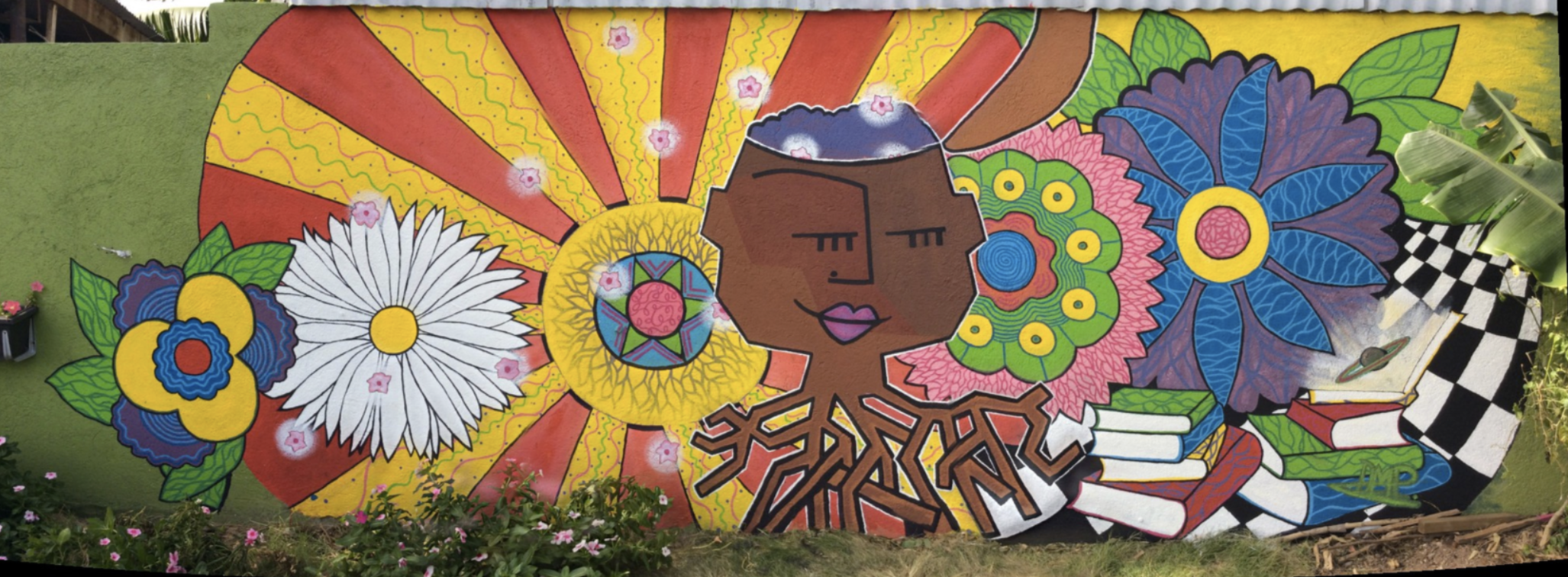
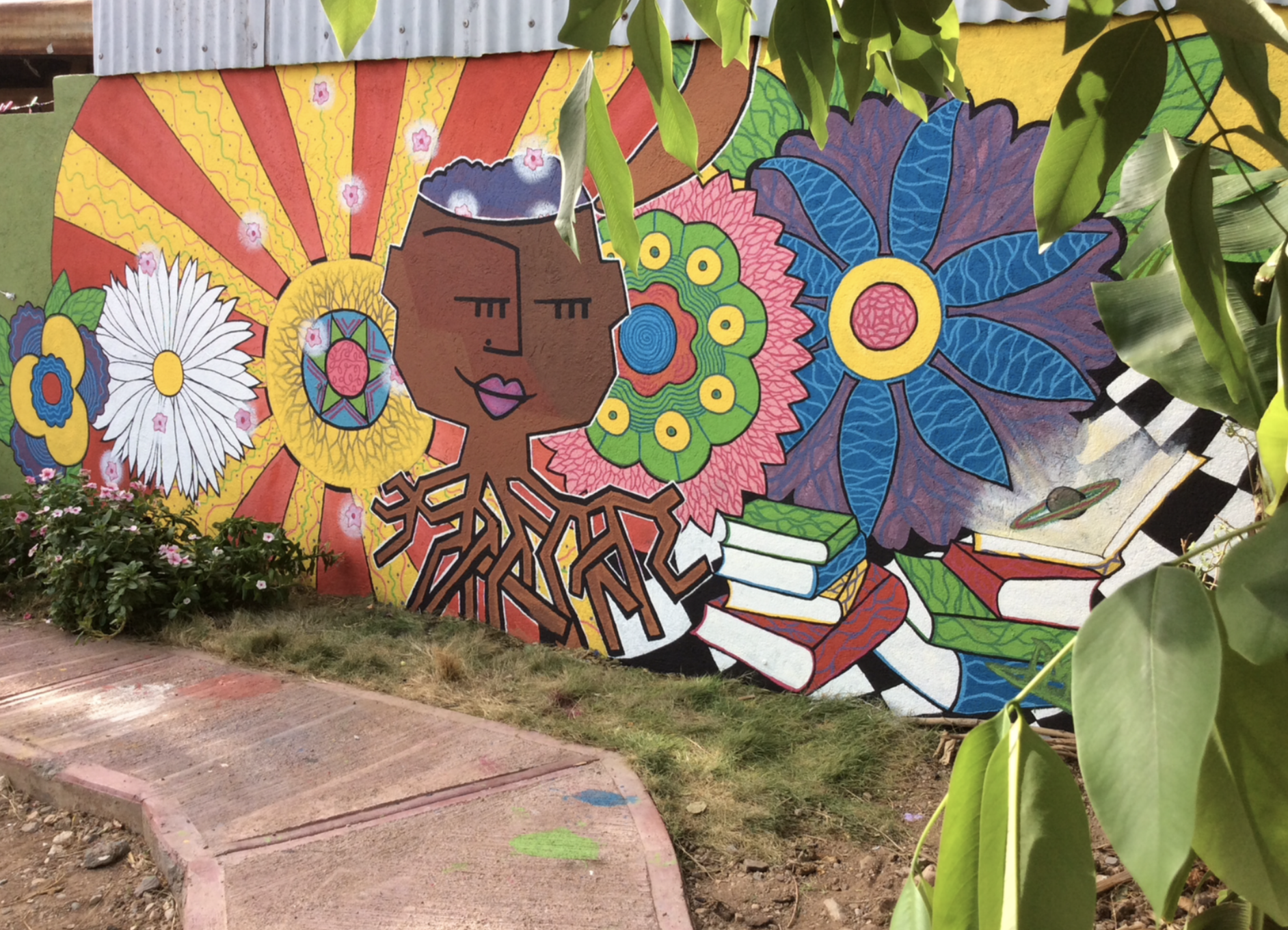
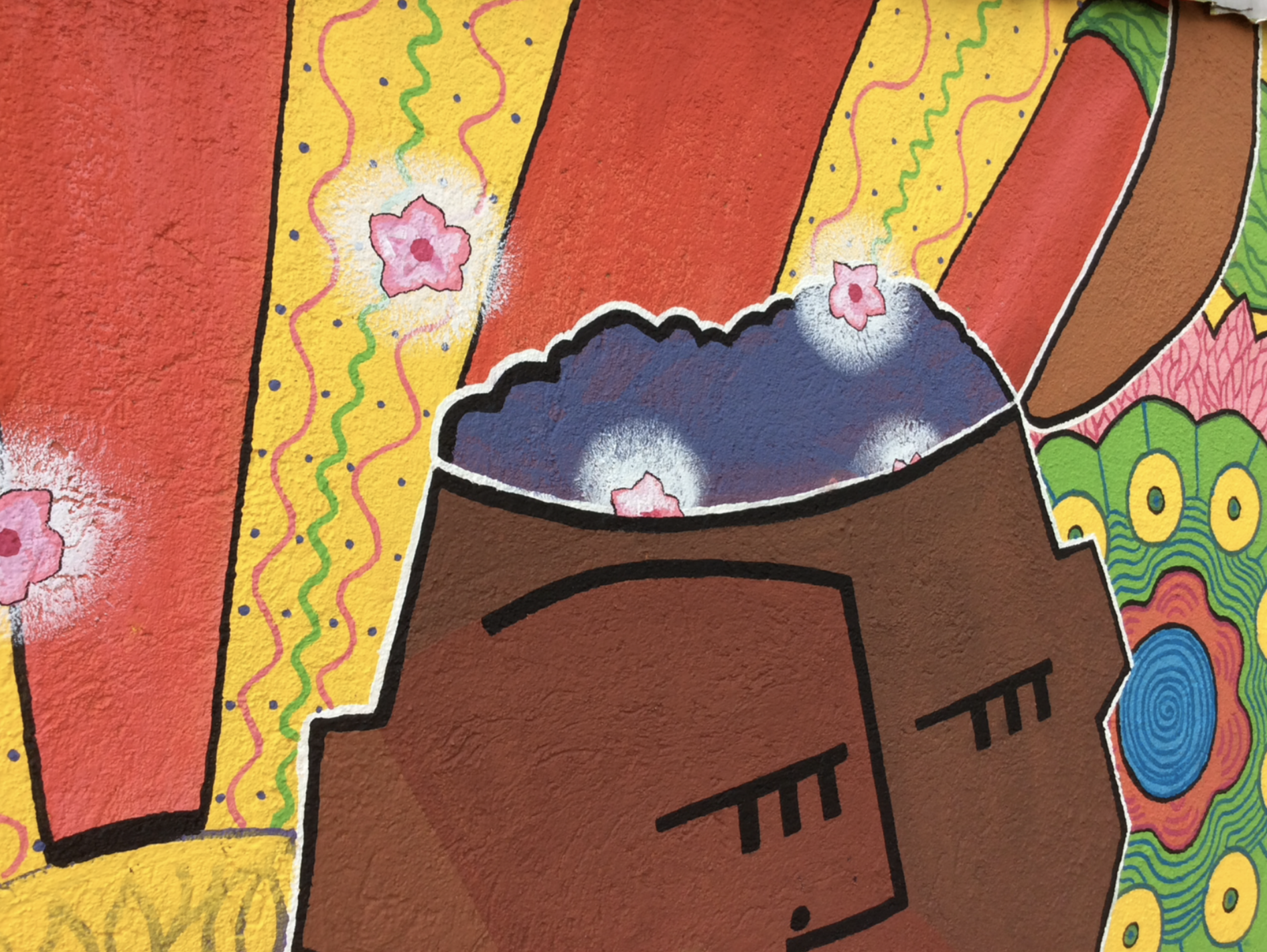
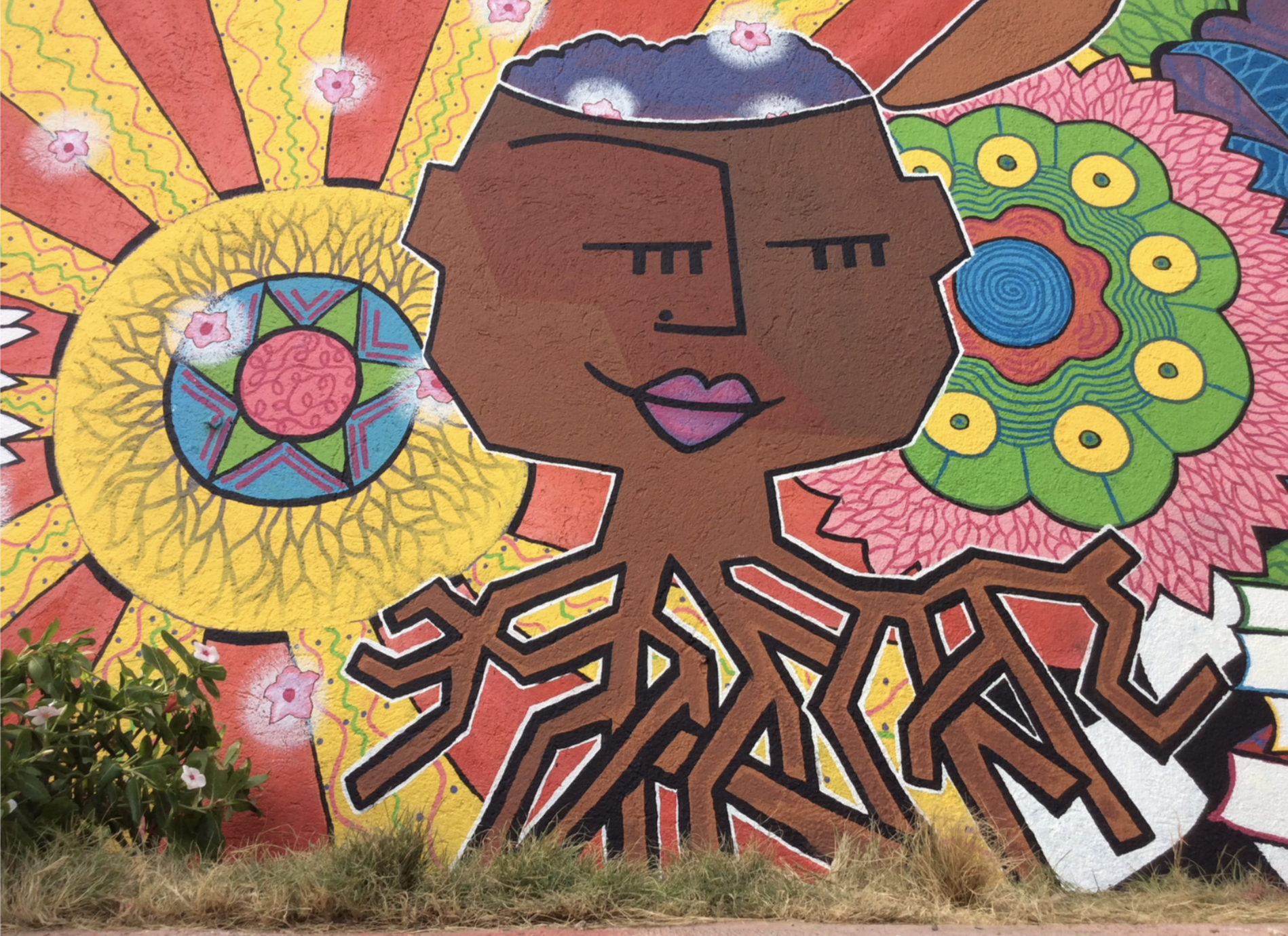
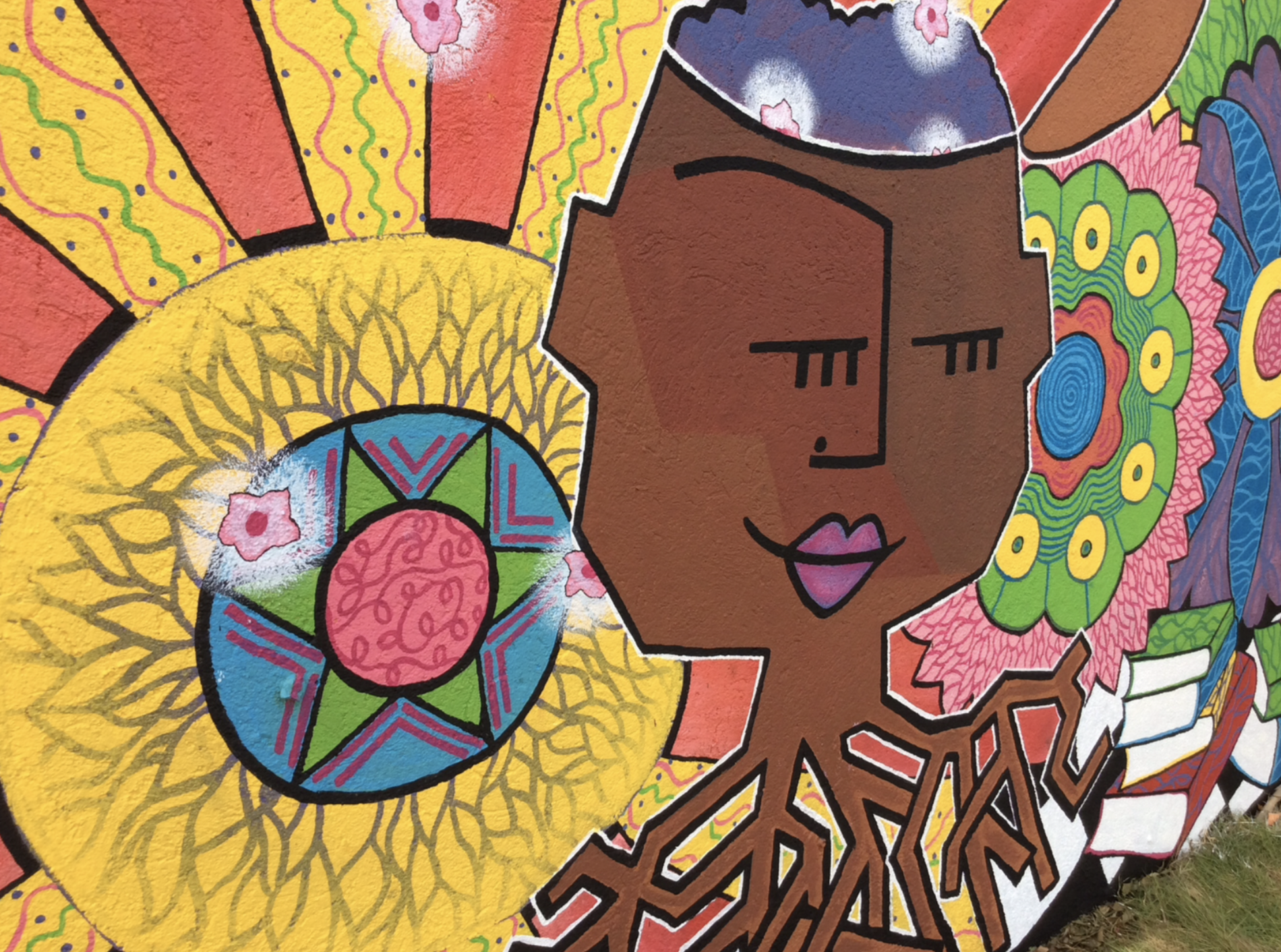
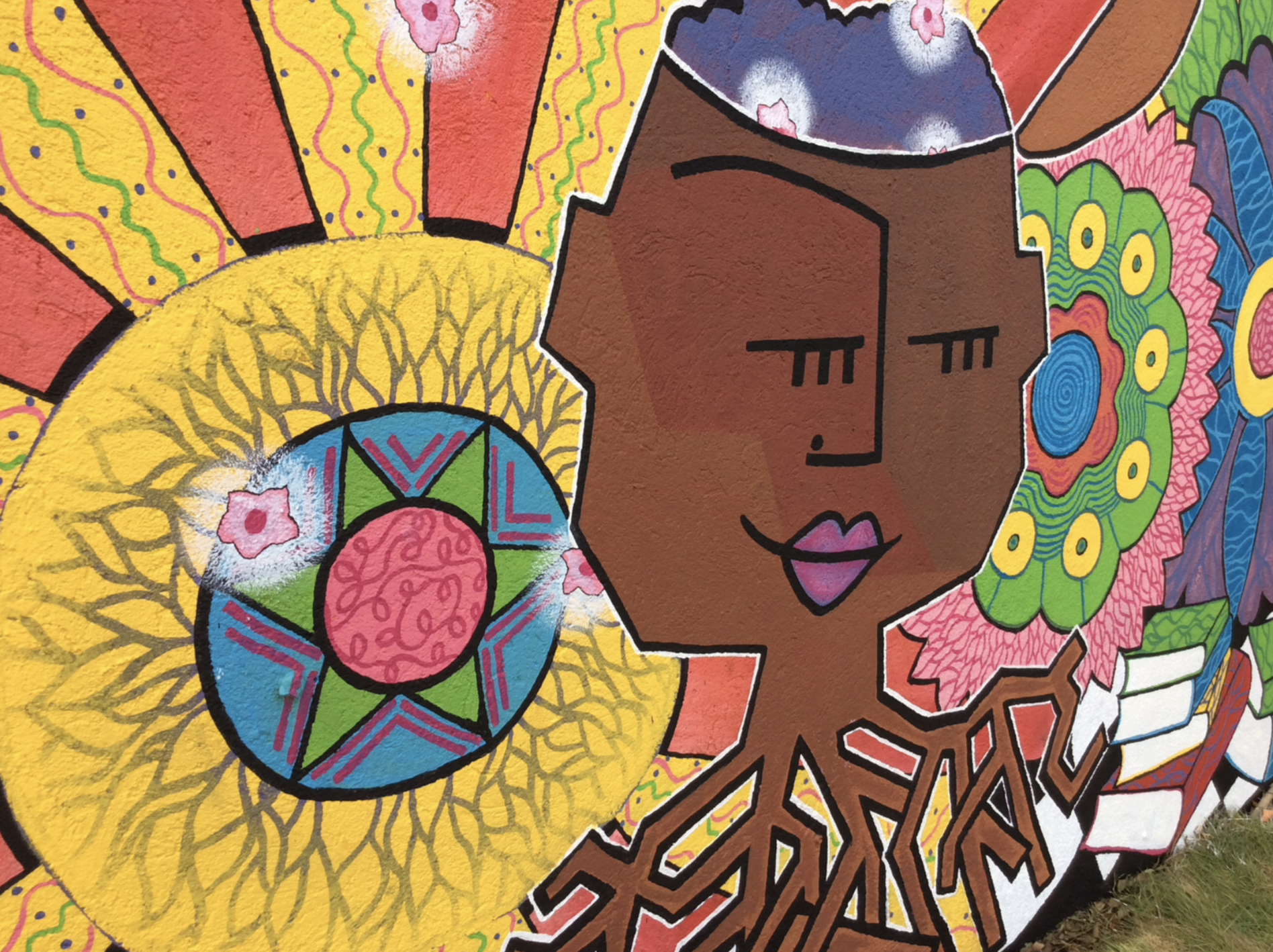
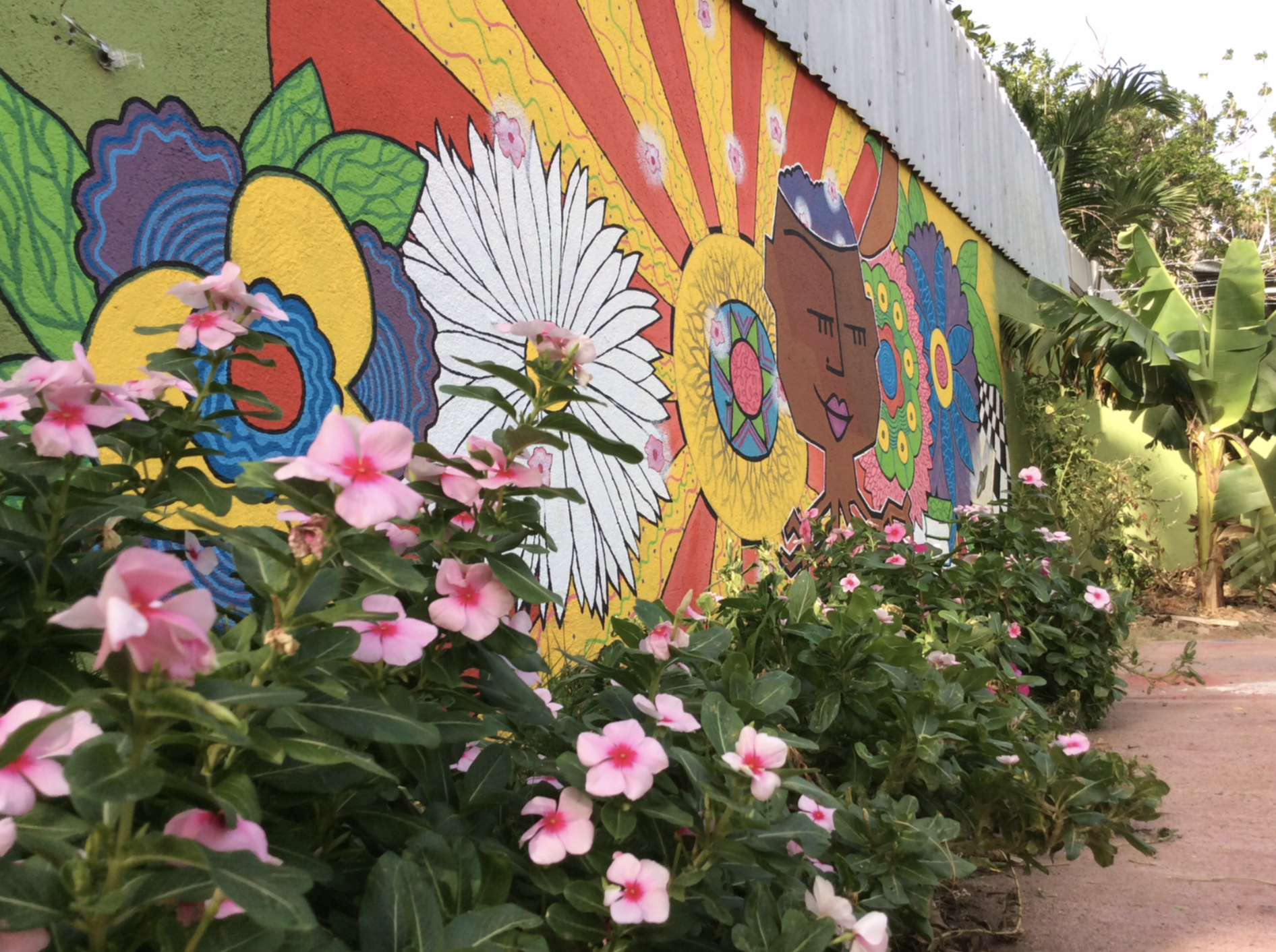
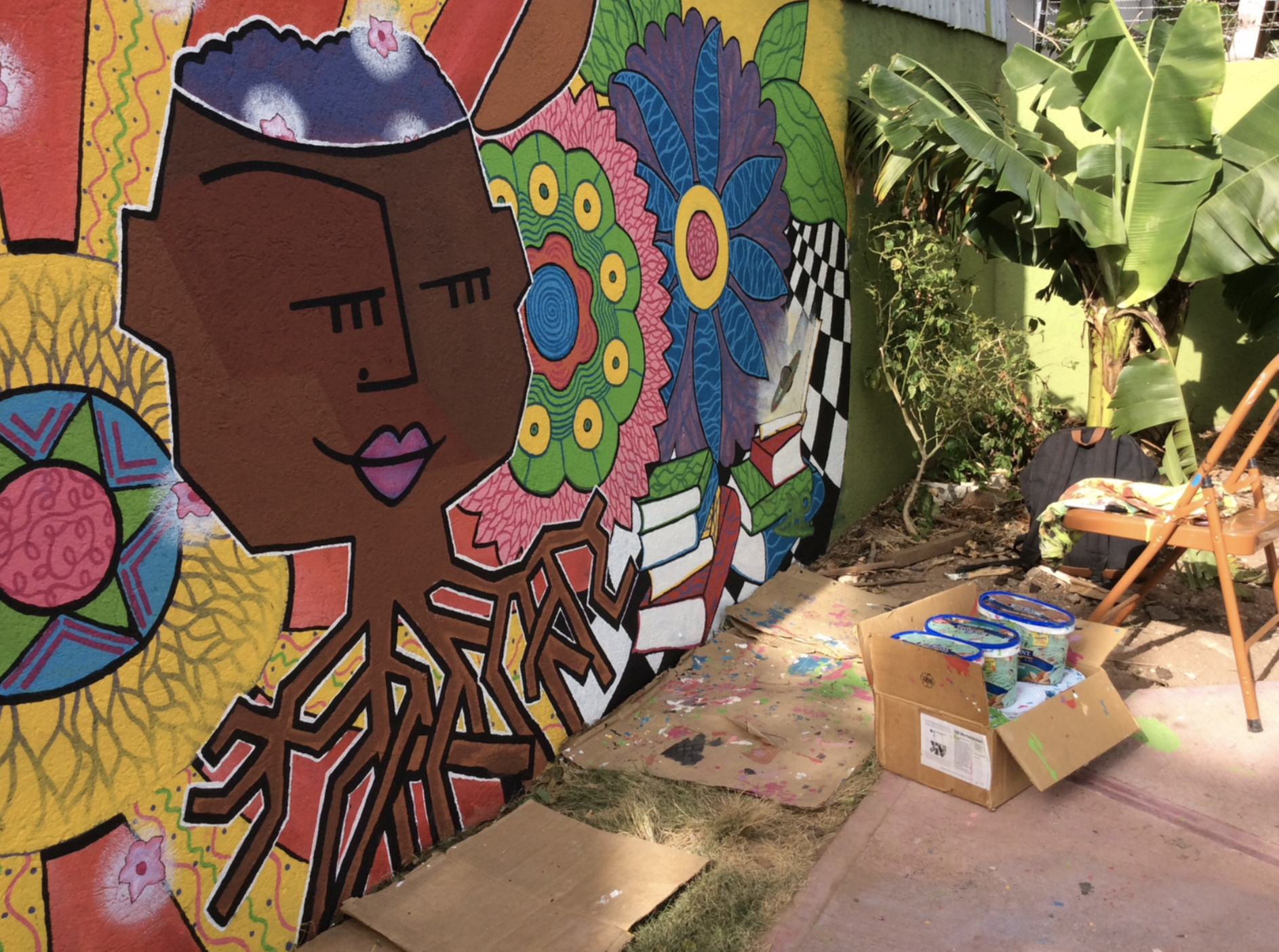
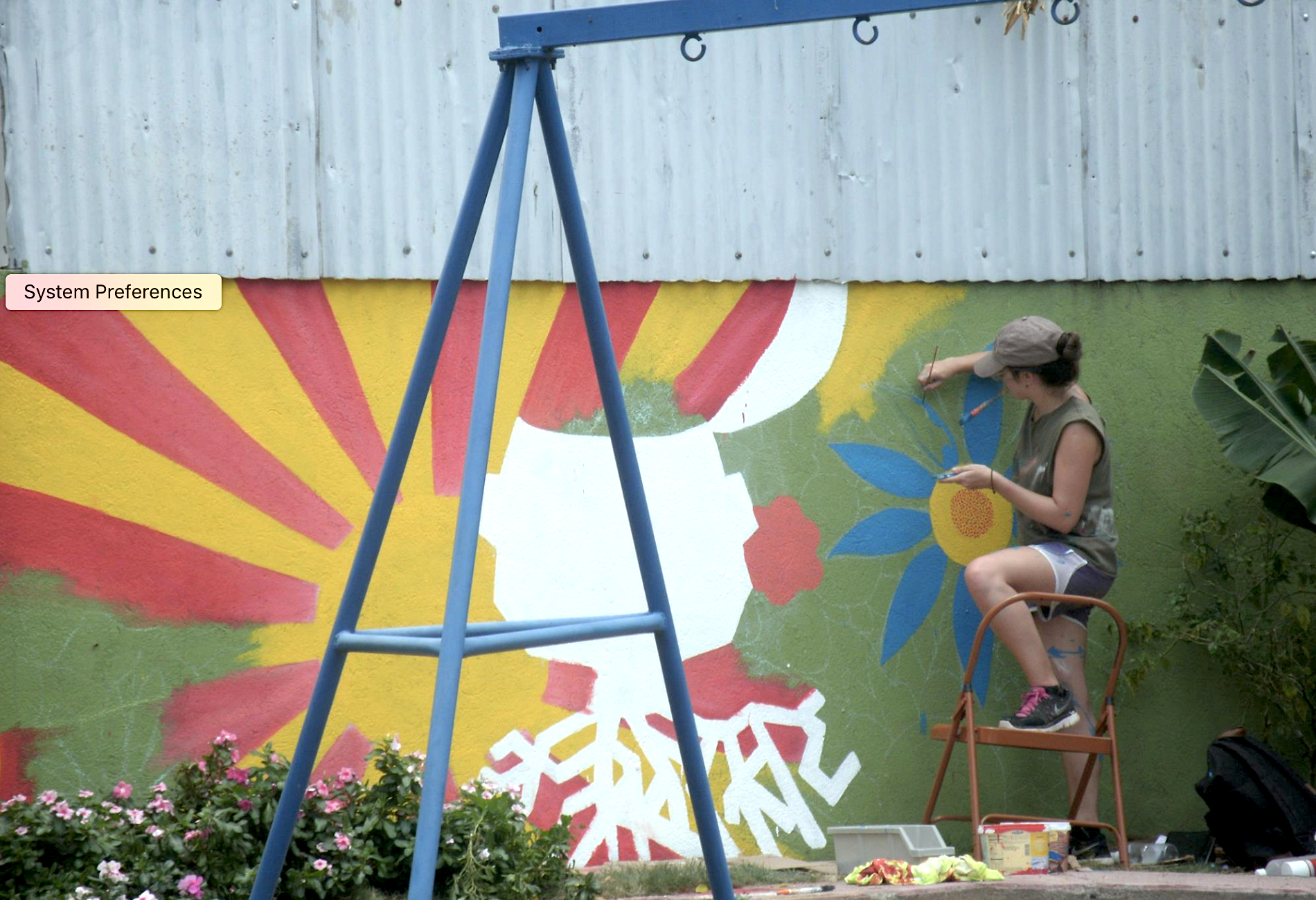
This 27 x 9 ft (8,23 x 2,75 m) mural was painted in the summer of 2015 in Kingston to honor the teachers and other individuals who nourish the minds of the young. It was conceived, designed and painted pro bono in June-July 2015 at The STEP Centre in the heart of Kingston, Jamaica. The STEP Centre is a school for the therapy, education, and parenting of children with multiple special needs (http://www.thestepcentre.com/). The mural was designed as a background to and in communication with the school’s vibrant life.
Rongo Rongo#
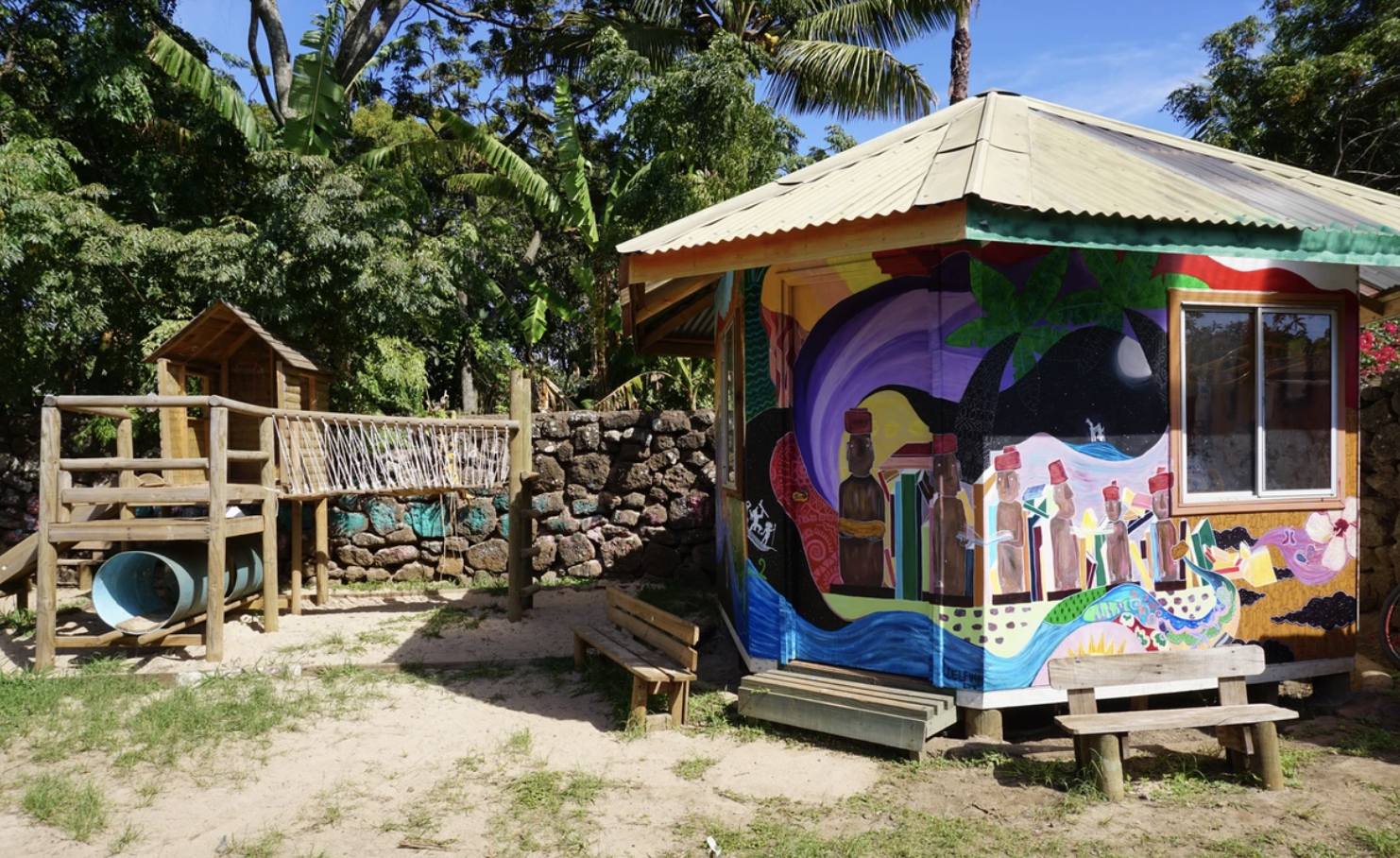
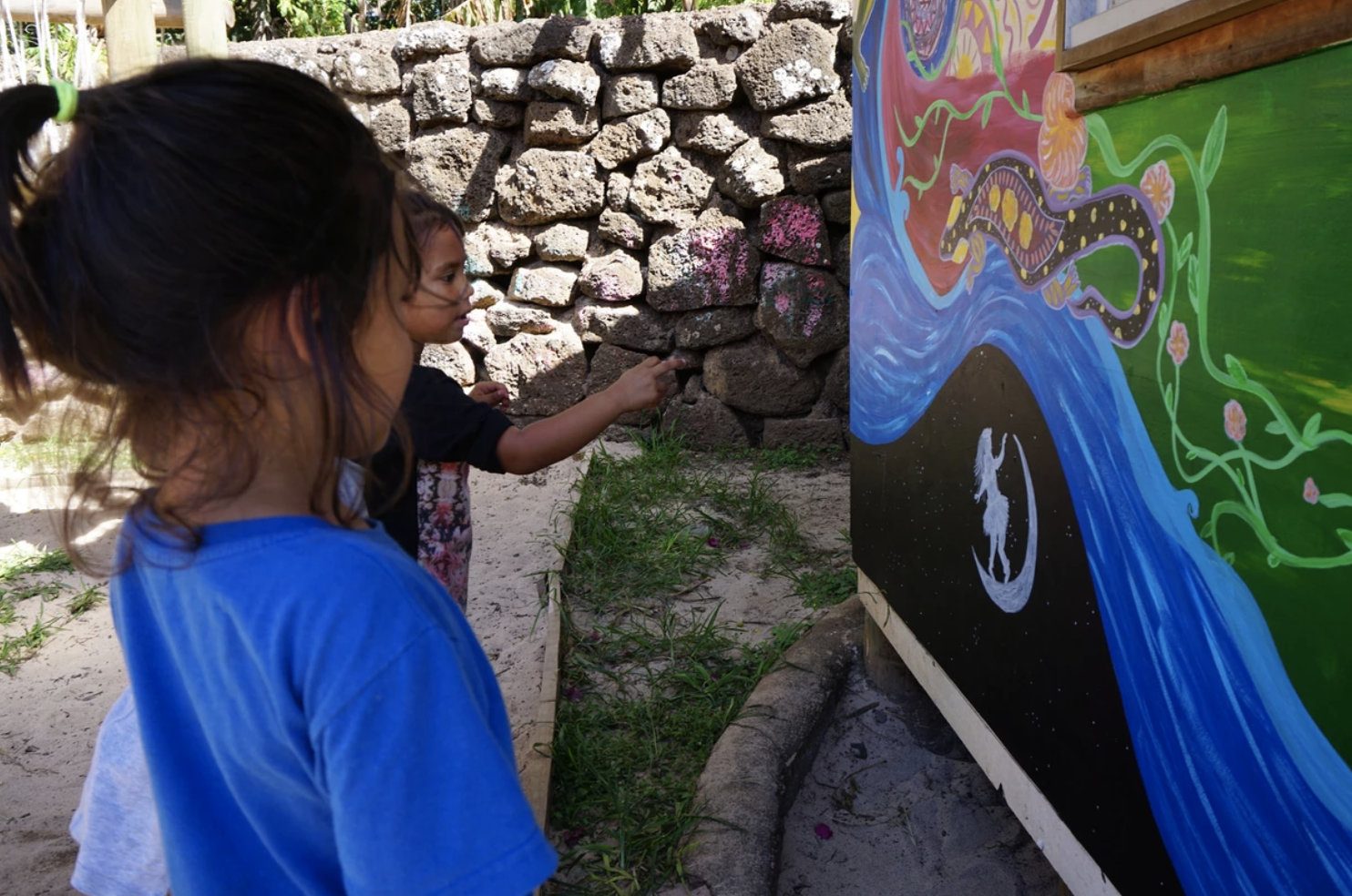
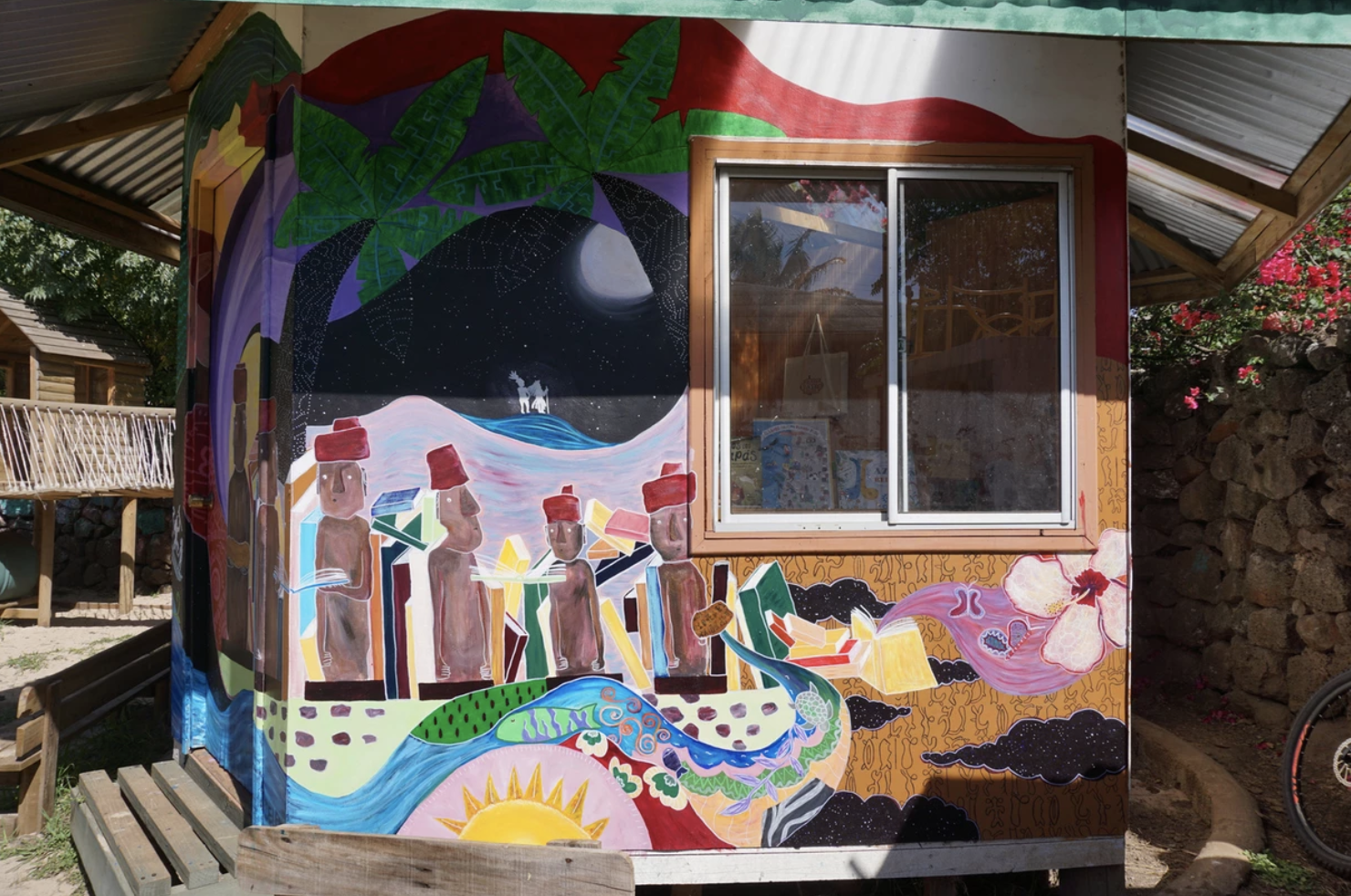
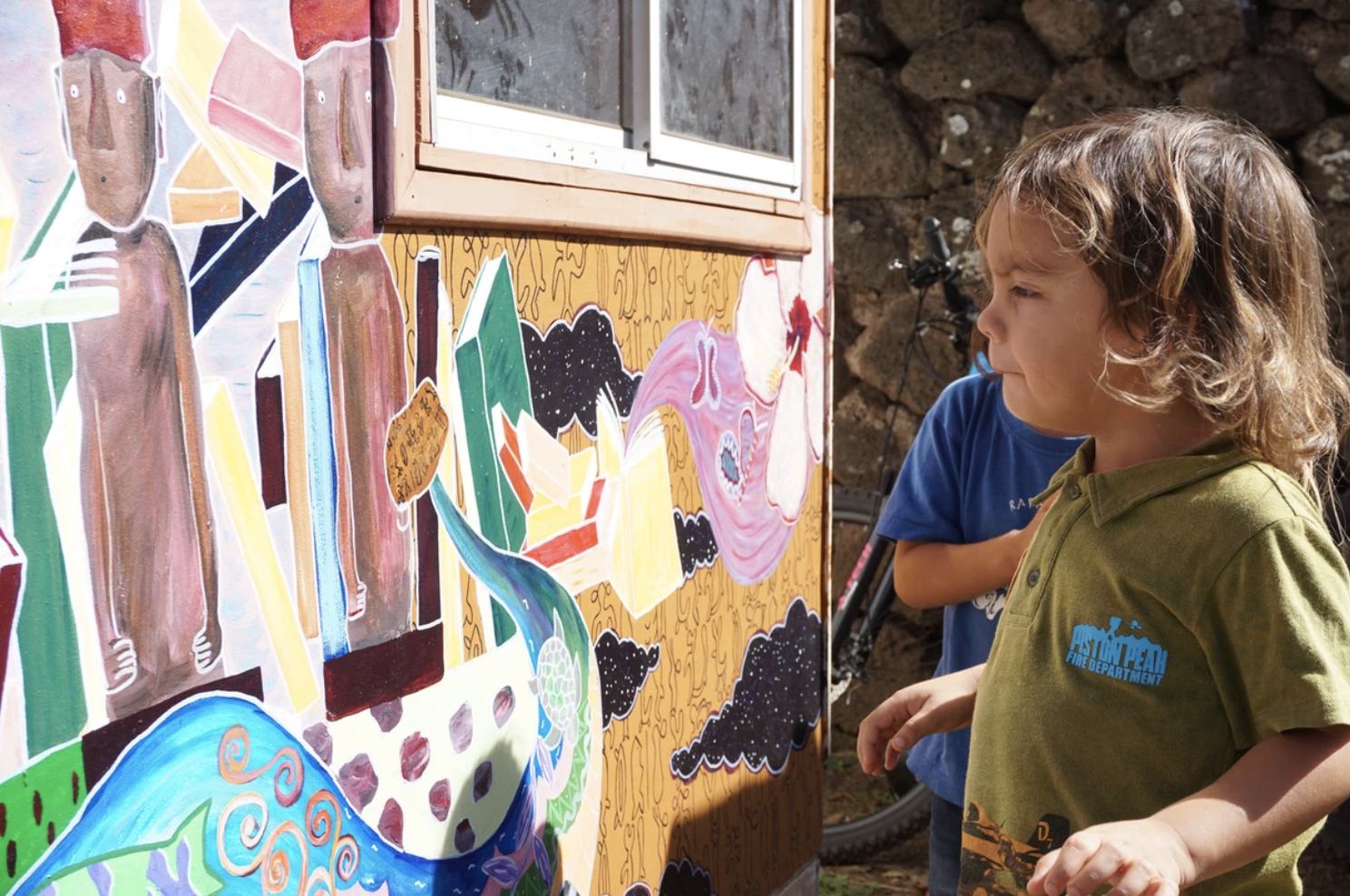
Hare Nga Poki, Rapa Nui (Easter Island), 2018#
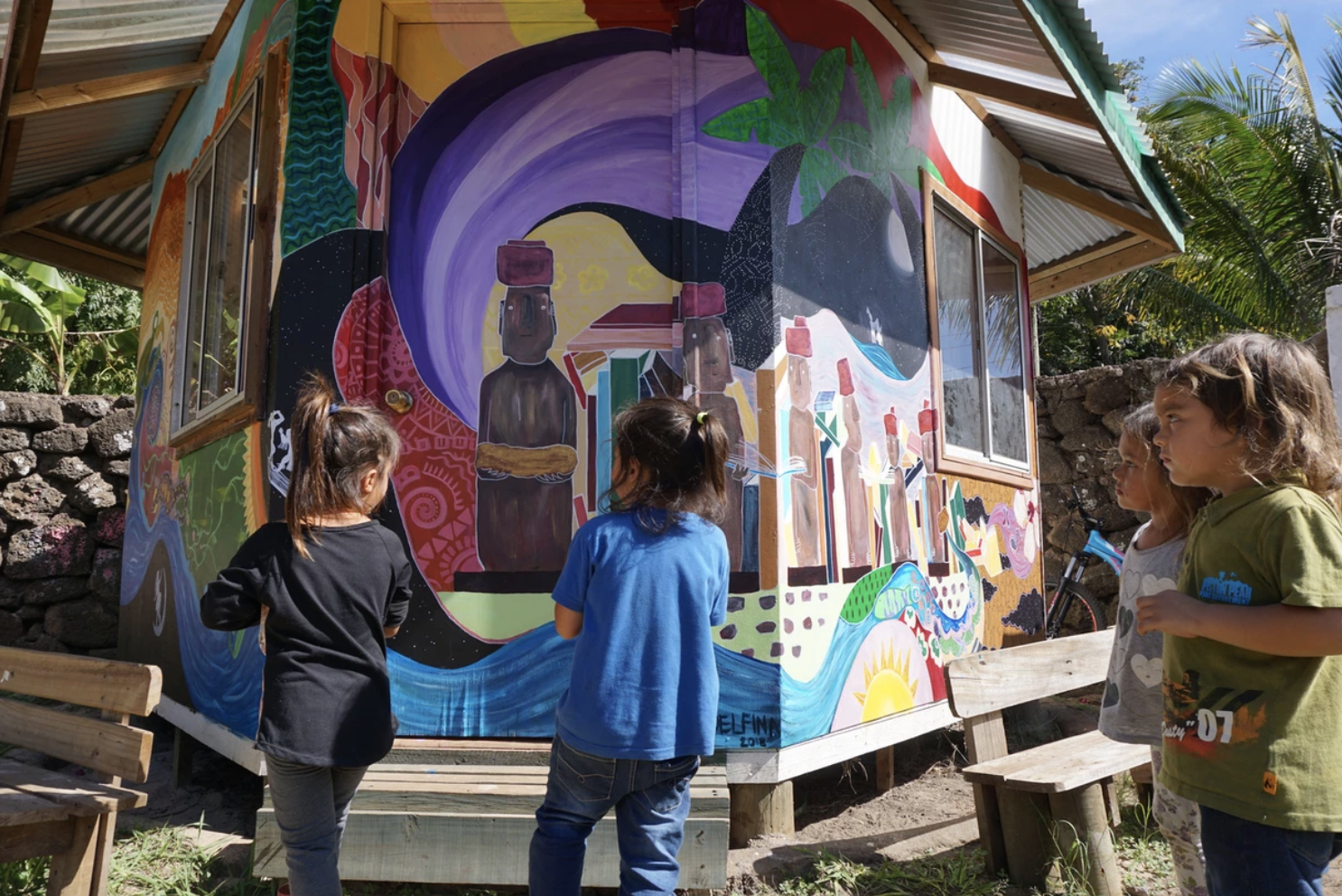
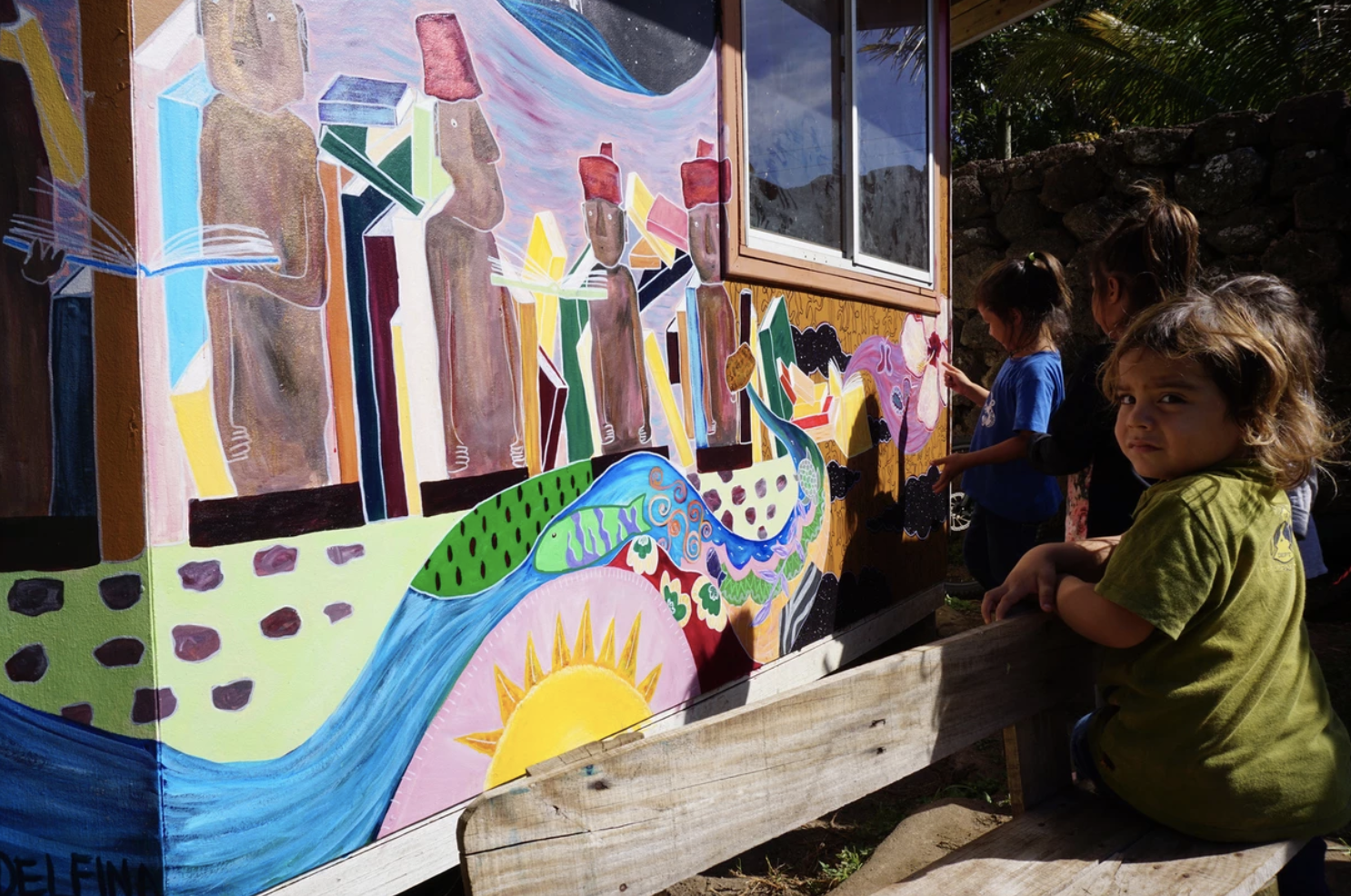
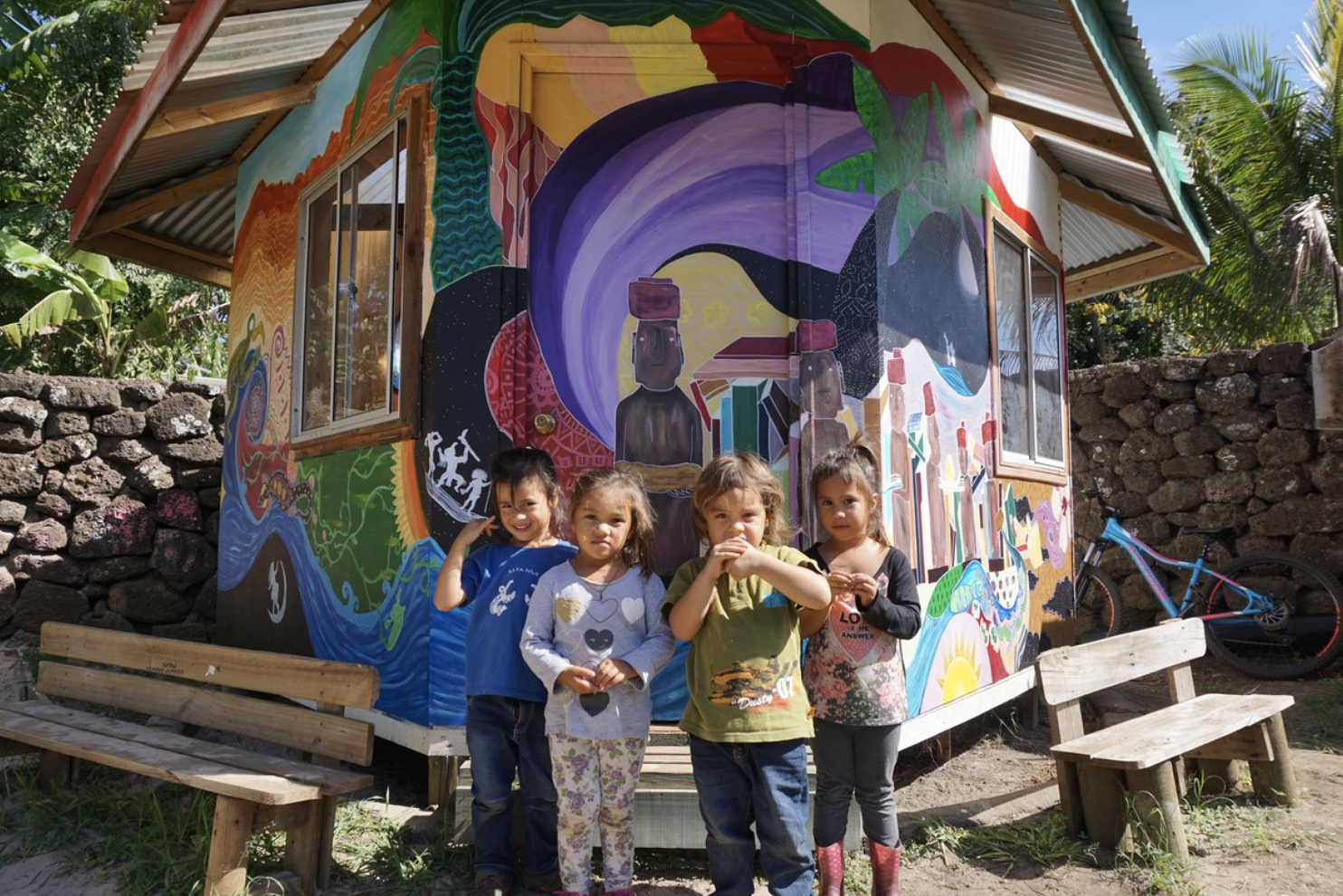
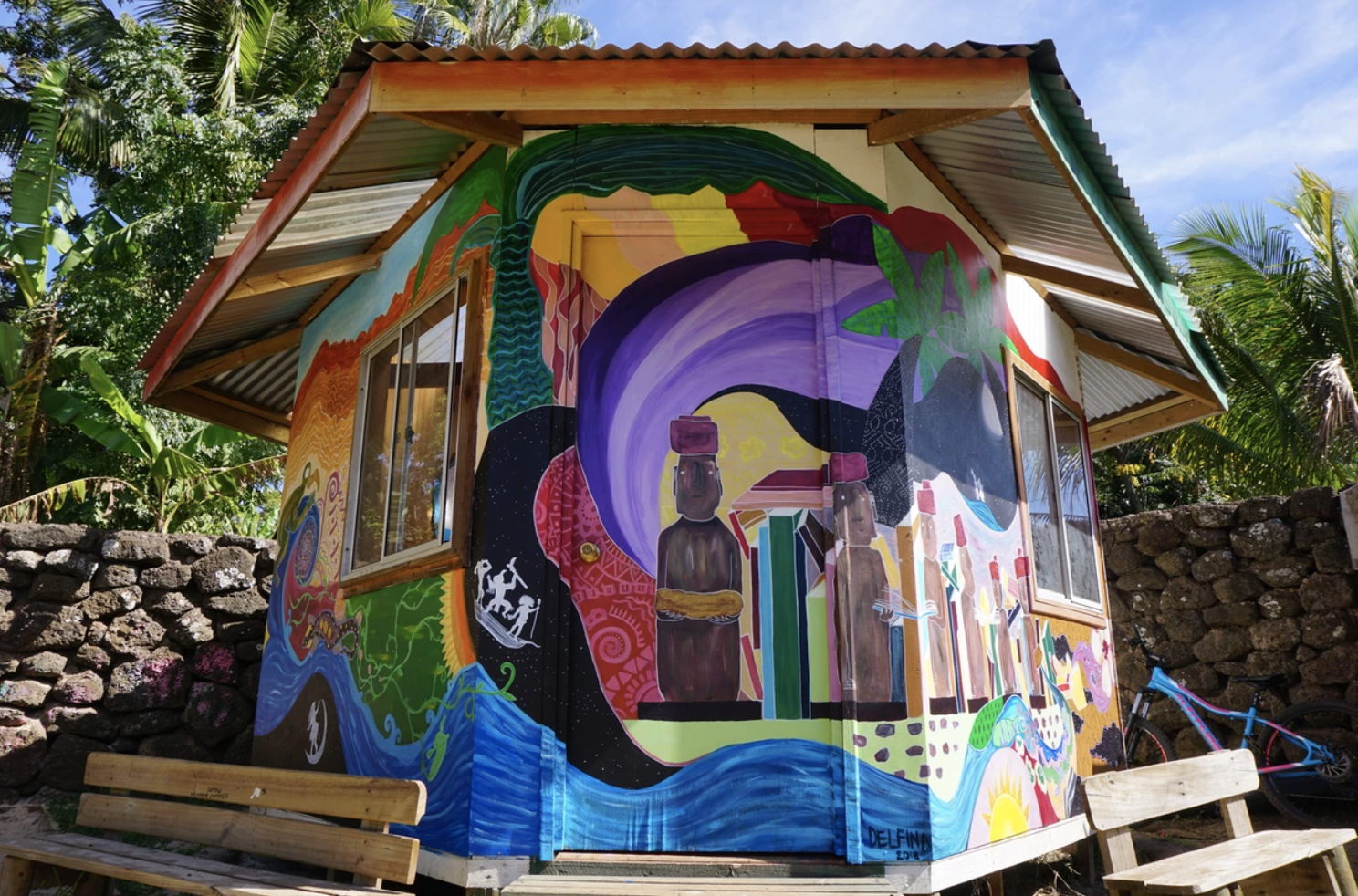
This mural encompasses all the walls of a children’s library in Rapa Nui (Easter Island). The library was painted pro bono, in collaboration and with inspiration from the local language, history, culture, and children’s stories. Rongo Rongo is Rapa Nui’s uncracked system of writing. Numerous attempts at decipherment have been made, yet it is still not clear what the tablets found on the island read. Nevertheless, Rongo Rongo is a holder of ancestral knowledge and evokes the importance of maintaining the Rapa Nui language and culture alive, including by teaching young children how to speak, write and read in Rapa Nui. For this reason, the children’s library’s door features a moai-held rongo rongo tablet. The time in the island and provision of supplies was supported by a Gardner Peabody Fellowship entrusted to Delfi 2017-2018.